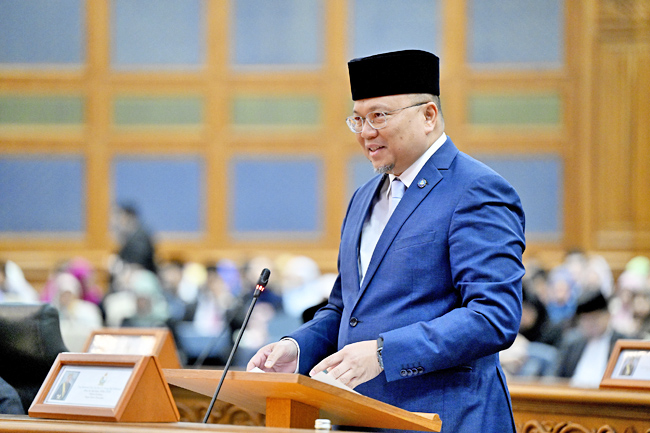
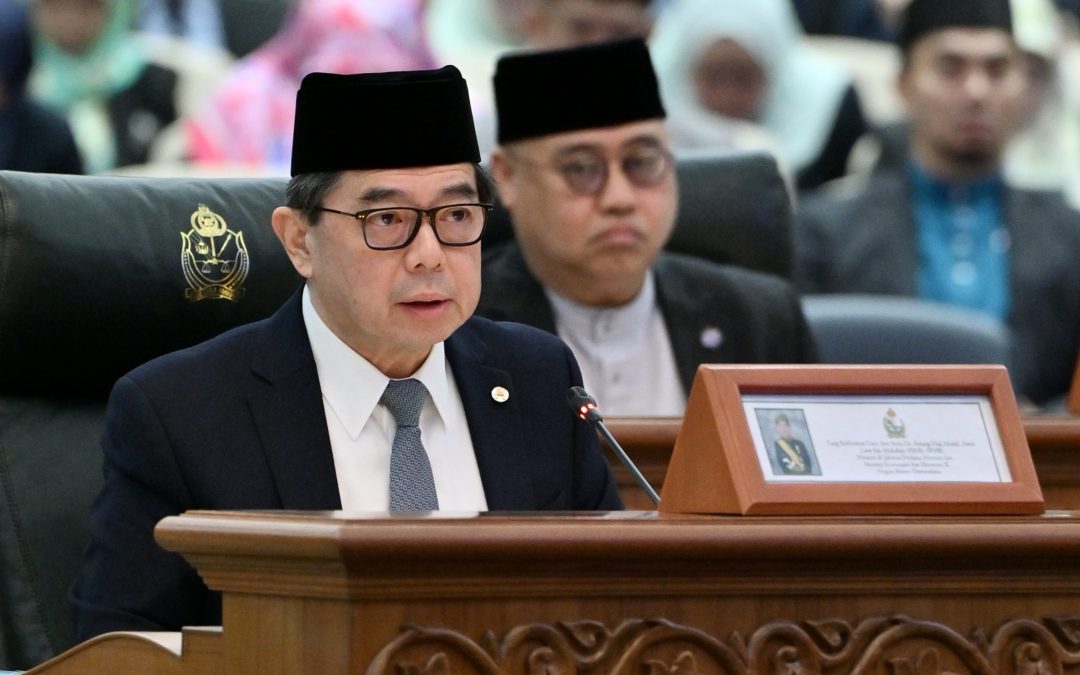
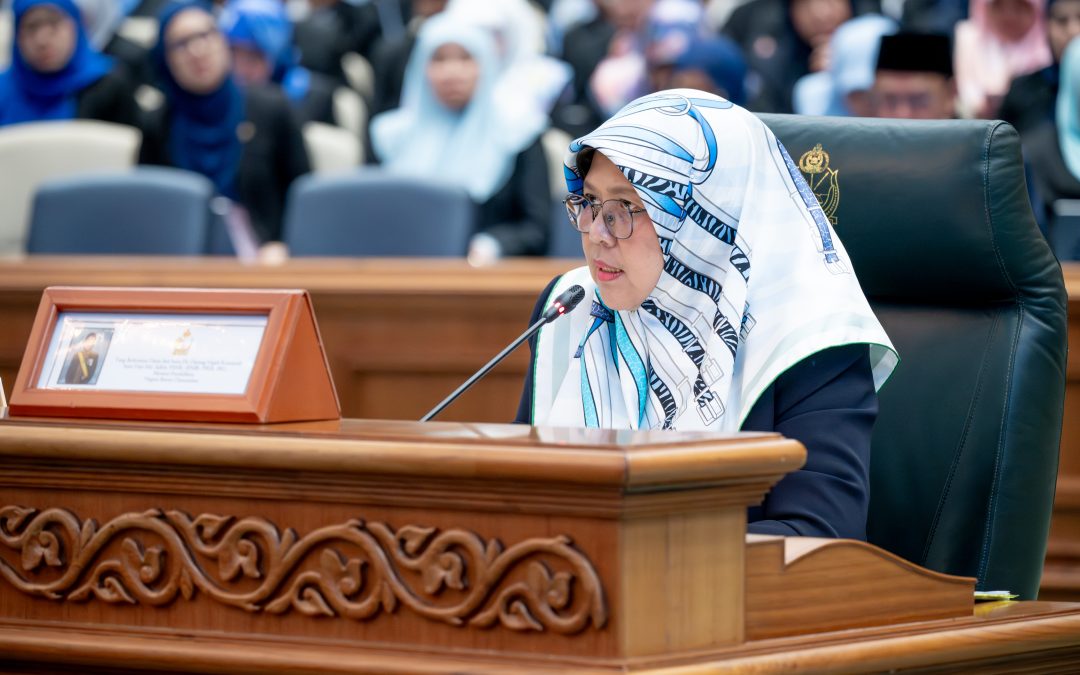
Minister of Health Yang Berhormat Dato Seri Setia Dr Haji Mohd Isham bin Haji Jaafar touched on international cooperation and the ministry’s strategic approach in strengthening the national health system during the Second Meeting of the 21st Legislative Council (LegCo) Session yesterday.
On international cooperation and sustainable health finance, the minister said that in efforts to provide international-standard services “Brunei Darussalam does not operate in isolation but is actively involved in international cooperation to ensure that our health system is always at the forefront in facing global challenges.”
In 2024, the Sultanate was appointed a member of the World Health Organization (WHO) Executive Board to represent member countries of the Western Pacific region, marking international recognition of the country’s credibility and leadership.
This role, he said, allows Brunei to contribute to the global health policy and bridge the gap between regional needs and the global health agenda, in line with Brunei Vision 2035.
However, he noted a main challenge is ensuring the financial sustainability of the health system. He highlighted that Brunei has adopted an approach of strategic financial management and prudent spending to continue supporting free universal health coverage without compromising long-term fiscal sustainability.
The minister outlined several challenges, including the need for efficient use of resources to cover the high cost of advanced medical equipment, innovative medicines, and world-class facilities.
He also pointed to the need for multiple financing sources.
“Healthcare financing in foreign countries usually comes from various sources such as taxation, social health insurance, private health insurance, and self-reliance, each has it own challenges. In most developed countries, the combination of these financing sources allow the health system to operate more flexibly and sustainably” he said.
“However, in this country, it is fully financed by the government and a small portion by private health insurance.”
He explained that collected revenue is not yet a main source of financing because services are provided free of charge to citizens and highly subsidised for other users. “Health is now recognised as a very valuable commodity, and many countries are no longer in a position to provide free and subsidised healthcare to their citizens. Therefore, it is the government’s high hope of ensuring that health services are always free and easily accessible to all citizens of Brunei,” he said.
In facing the threat of cross-border public health emergencies, the minister highlighted that Brunei is actively involved in international negotiations to establish a new Pandemic Treaty under the WHO.
“Brunei’s participation in this process is crucial. The position of the Sultanate is clear, which is to ensure that the Pandemic Agreement, once agreed upon, will respect the principles of equality and fairness among countries, particularly in access to vaccines, medicines, and health technologies.” Apart from global cooperation, Brunei is also active in advancing regional health cooperation under the ASEAN framework. Initiatives being implemented include the ASEAN Emerging Operations Centre (EOC) Network, the ASEAN BioDiaspora Virtual Centre (ABVC), and the planned establishment of the ASEAN Centre for Public Health Emergency and Emerging Diseases (ACPHEED).
As a sign of commitment, the minister said Brunei has taken the initiative to be the lead country in the project to procure vaccines and antiviral drugs for Monkeypox through ASEAN funds.
“The initiative not only demonstrates the Sultanate’s commitment to regional cooperation, but also our country’s ability to lead in global health emergencies,” said the minister.
The project’s success has become a model for future ASEAN health cooperation. In this context, the MoH has assumed responsibility as the Chair of ASEAN Health Cluster 3 for the period 2025-2027, focusing on efforts to strengthen regional health systems.
On the ministry’s strategic approaches, the minister said, “Quality health services require careful strategic planning, unwavering commitment, and strong collaboration. The Ministry of Health (MoH) is committed to strengthening the health system through an evidence-based approach, strategic investments in infrastructure, and the use of digital technology and innovation.”
He added that this effort is in line with the main goals of Brunei Vision 2035 to achieve a high quality of life. “Excellent healthcare is an important foundation for achieving the objectives of the vision.
“Various initiatives have been implemented to achieve this goal, including strengthening comprehensive health screening programmes, improving chronic disease management at the primary care level, and expanding public awareness and understanding of best health practices.
“The comprehensive approach aims to ensure that Bruneians not only have an increased life expectancy, but also live healthy, active and quality lives.”
(News source: Borneo Bulletin)