The Ministry of Culture, Youth and Sports (MCYS) in collaboration with the Ministry of Home Affairs is working on introducing a verification approach through heads of villages to ensure alignment of information between assistance providing agencies and grassroots-level data.
The village head plays a crucial role as individuals who are more familiar with the actual conditions of their communities, thus strengthening transparency and accuracy in the distribution of assistance.
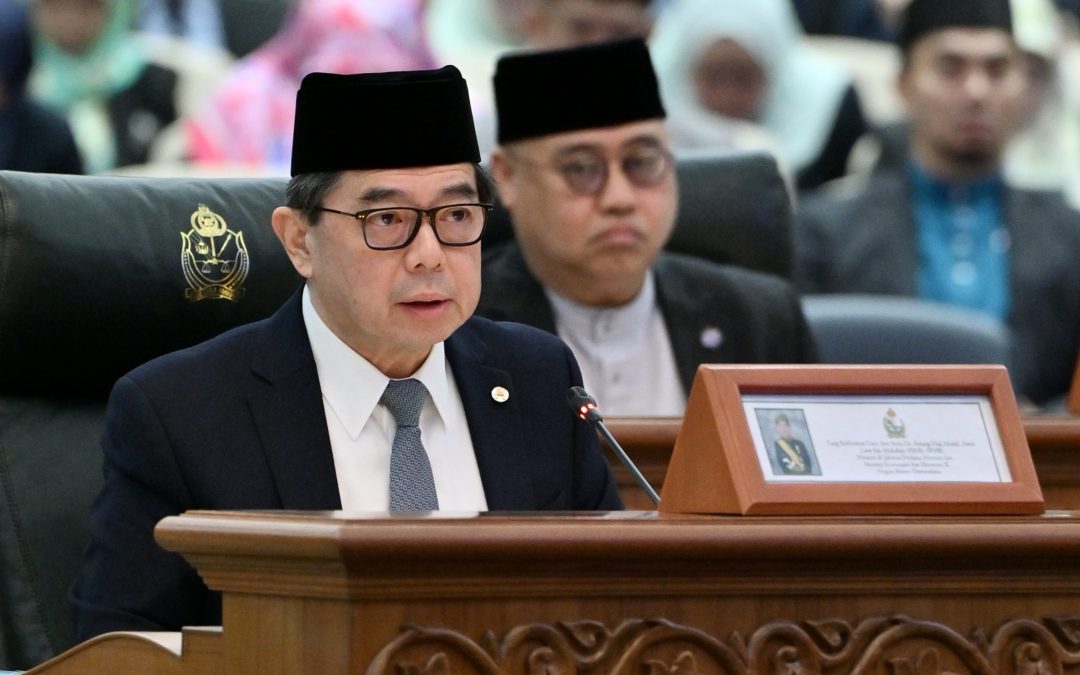
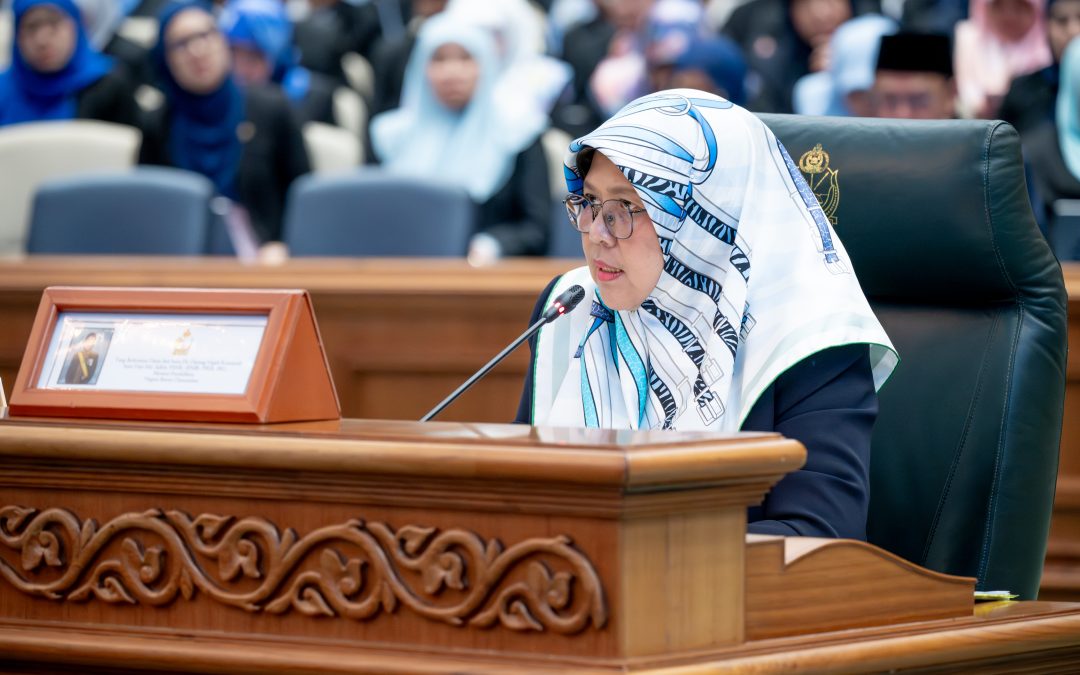
Minister of Culture, Youth and Sports Yang Berhormat Dato Seri Setia Haji Awang Nazmi bin Awang Haji Mohamad mentioned this verification approach in his response to a question by Legislative Council (LegCo) member Yang Berhormat Hajah Rosmawatty binti Haji Abdul Mumin on National Welfare System (SKN) at the Second Meeting of the 21st LegCo Session.
The minister said, “The MCYS always prioritises transparency and effectiveness in the implementation of assistance under the SKN to ensure that the assistance provided has a positive impact on the recipients, particularly in breaking the cycle of poverty.”
Yang Berhormat Dato Seri Setia Haji Awang Nazmi elaborated, “The SKN system is designed to systematically collect and update the information of applicants and the recipients of assistance. Through this system, the status and records of each recipient can be monitored more efficiently and effectively, thereby reducing the risk of duplicate in assistance applications.”
To ensure that assistance is only provided to individuals who are truly eligible, he shared, “The eligibility assessment process is carried out thoroughly and carefully that includes reviewing the supporting documents submitted and conducting home visits by social workers.
“Through this approach, the ministry aims to ensure that the information obtained is accurate and reflects the true circumstances of the applicants. This step is also intended to prevent any leakages, misappropriations or misuse of government funds, while maintaining integrity and transparency in the management of Monthly Welfare Assistance.”
The minister added, “The SKN system is supported and evaluated by the Management Services Department (MSD) through the implementation of the Work System Transformation, which supports continuous reforms and improvements. This collaboration aims to enhance operational efficiency and the quality of welfare service delivery. This initiative directly contributes to the upgrading of the SKN system according to current needs, ensuring that the system remains effective, fair, and sustainable in the long term.
“In line with such initiatives, the enhancement of the capacity and skills of the officers managing and implementing the SKN is also given attention as part of the ministry’s strategic planning. Structured and continuous training will be provided, covering welfare policy understanding, mastery of digital systems, as well as skills in making objective, fair and accurate assessments. This step aims to improve the effectiveness of the system’s implementation and ensure that aid decisions are based on reliable information,” the minister said.
“The recipients are also involved in skills training programmes, entrepreneurship, and job opportunities as a catalyst for their personal development. This is to ensure that the SKN remains sustainable and capable of addressing poverty challenges comprehensively.”
Meanwhile, the minister also shared SKN has the potential to gradually expand the scope of household profiling with increased types of assistance such as old age pensions and disability allowances being integrated into the system.
He highlighted, “This will enable socio-economic information to be collected and analysed comprehensively, not only among current applicants and recipients of assistance, but also covering a broader target group.
“This expansion is expected to strengthen the accuracy of data, accelerate the delivery of targeted assistance, and support a more equitable, effective, and sustainable welfare policy, moving towards achieving zero poverty and inclusive, sustainable well-being in the country.”
Yang Berhormat Dato Seri Setia Haji Awang Nazmi was responding to queries by LegCo member Yang Berhormat Hajah Safiah binti Sheikh Haji Abdul Salam on building an integrated household profiling system and implement systematic socio-economic categorisation to expedite targeted assistance.
The minister iterated that the government, through the MCYS, continuously prioritise the welfare and well-being of the citizens and residents. In this regard, various initiatives are being and will continue to be implemented to address poverty issues, including efforts to strengthen the household profiling system to be more integrated and systematic.
He mentioned, “Currently, household profiling in Brunei Darussalam is carried out by the Department of Economic Planning and Statistics at the Ministry of Finance and Economy.
The department collects and analyses socio-economic data of households through several major surveys, such as the Household Expenditure Survey, which serves as the basis for determining the poverty line and national welfare policies.”
The survey aims to gather up-to-date information on household spending patterns and income levels. The data obtained will provide a realistic picture of the people’s economic situation and serve as a crucial foundation for the country’s socio-economic planning.
(News source: Borneo Bulletin)