From 2023 to 2025, some 75 individuals have successfully quit smoking after participating in the programme under the Smoking Cessation Clinic. The annual success rate ranged between 7.9 per cent and 14 per cent, in line with international findings that show smoking cessation is a challenging process requiring continuous support.
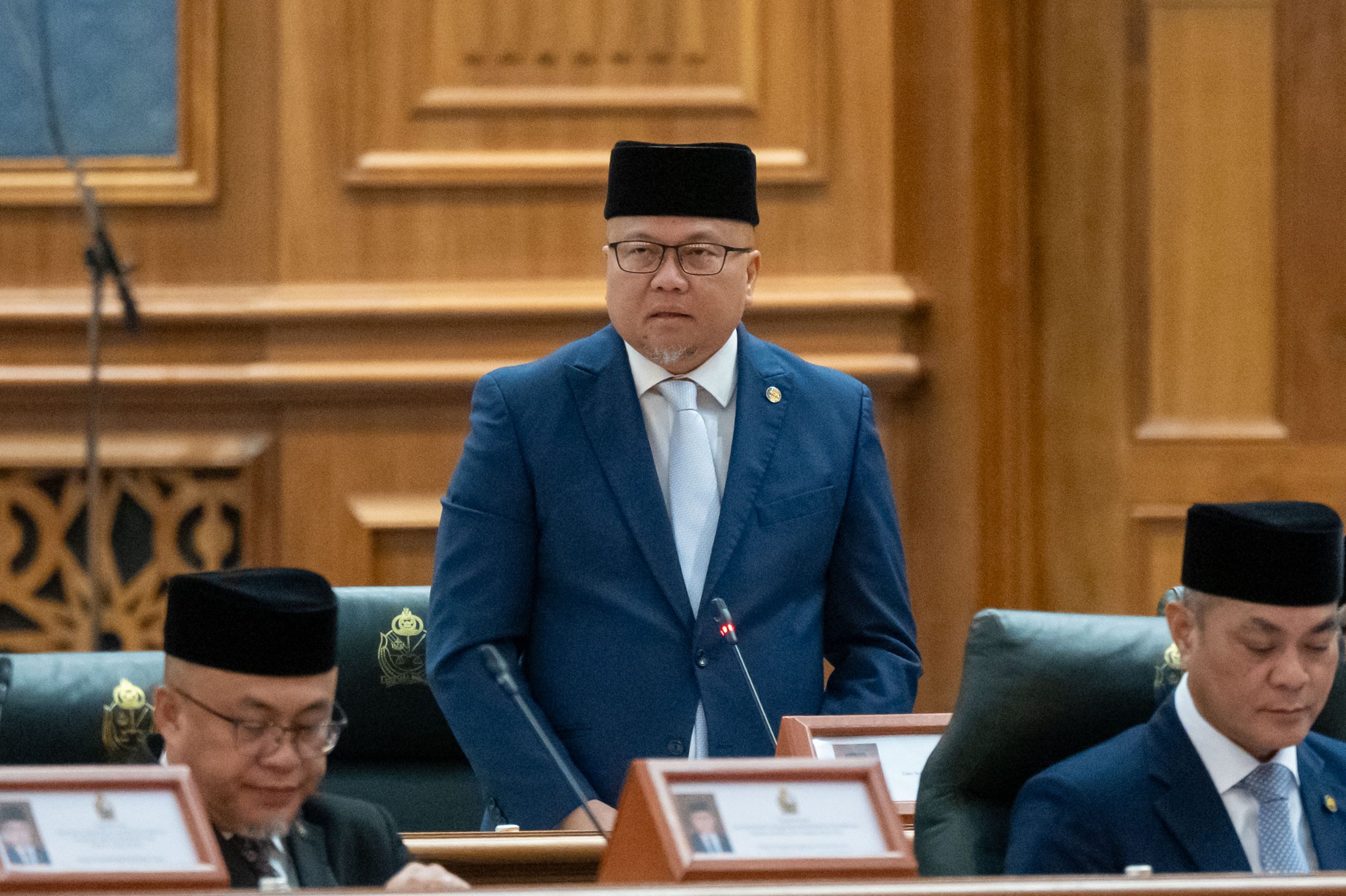
This was highlighted by Minister of Health Yang Berhormat Dato Seri Setia Dr Haji Mohd Isham bin Haji Jaafar during the Second Meeting of the 22nd Legislative Council (LegCo) Session, in response to a question raised by LegCo member Yang Berhormat Hajah Rosmawatty binti Haji Abdul Mumin on the extent of the effectiveness and achievements of the Smoking Cessation Clinic as an intervention to assist individuals in quitting the use of nicotine products.
On prevention among adolescents and youth, the minister said, “the Health Enforcement Unit of the Ministry of Health (MoH), in collaboration with the Ministry of Education, continues to conduct briefing sessions in schools on the dangers of smoking and vaping, as well as the provisions under the Tobacco Order currently in force.”
In addition to enforcement measures, he emphasised, “early intervention approaches are also implemented. Students found smoking or using vape products are provided with counselling and referred to Smoking Cessation Clinics to receive professional support in stopping the use of nicotine products.”
This approach is not intended solely as a punitive measure, but rather to provide individuals with an opportunity to change their behaviour at an early stage, thereby reducing the risk of nicotine addiction and tobacco-related diseases in the future.
The minister also shared, “the approach implemented by KBM is aligned with the World Health Organization (WHO) Clinical Treatment Guidelines for Tobacco Cessation, which emphasise the combination of counselling and pharmacotherapy as the most effective interventions to help individuals quit the use of nicotine products.”
However, he mentioned, “one of the main challenges identified is ensuring that individuals remain motivated and continue attending follow-up sessions throughout the smoking cessation process, as nicotine addiction has a high relapse rate.” In addition, the minister said, “the MoH also recognises the need to improve early detection; strengthen the referral system to Smoking Cessation Clinics; and encourage greater participation among new clients, particularly in areas where service utilisation remains low.
He also acknowledged that a follow-up attendance rate exceeding 70 per cent in 2025, and from January to May 2026, indicates that the majority of participants remain committed to receiving support throughout the programme.
He added, “data from the Smoking Cessation Clinics are continuously evaluated to identify patterns in service utilisation; examine factors that influence successful smoking cessation; identify areas requiring stronger promotion and referral efforts; and improve service planning, counsellor training, and more targeted allocation of resources. This data-driven approach enables the MoH to strengthen prevention policies and interventions so that they are more responsive to the needs of target groups.”
(news source: Borneo Bulletin ; pic source: Info Foto, Jbt Penerangan)