The National Committee on Addressing the Impact of the Middle East Conflict, now renamed The National Committee on Addressing the Impact of the Middle East Conflict and Current Developments, was established as a whole-of-government strategic coordination platform to enable proactive and coordinated action in strengthening the nation’s preparedness and resilience in responding to global uncertainties, including geopolitical conflicts, pandemics, climate change, and supply chain disruptions.
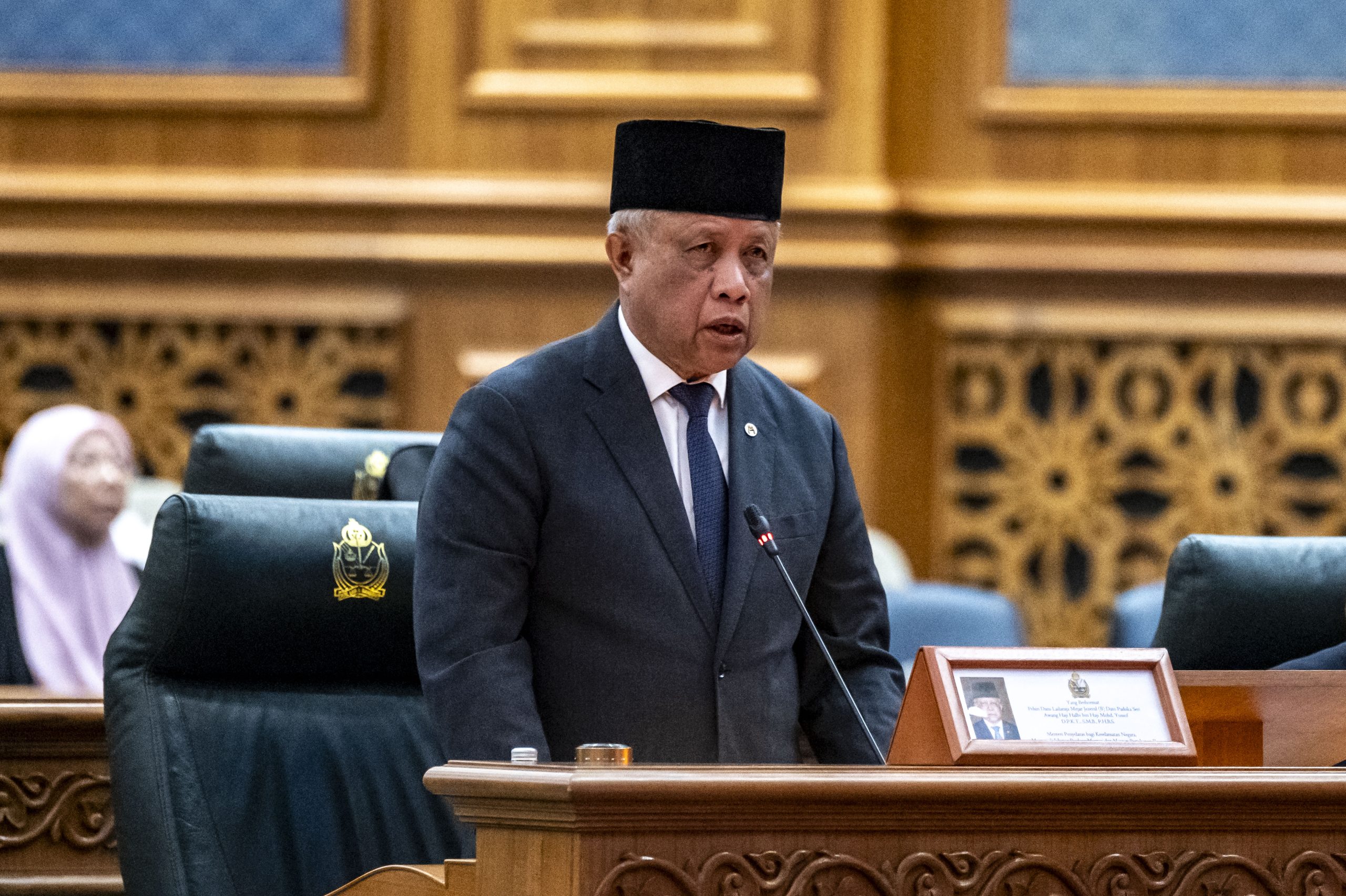
Coordinating Minister for National Security, Minister at the Prime Minister’s Office and Minister of Defence II Yang Berhormat Pehin Datu Lailaraja Major General (Rtd) Dato Paduka Seri Awang Haji Halbi bin Haji Mohd Yussof said this on the third day of the Second Meeting of the 22nd Legislative Council (LegCo) Session on Thursday in response to a question raised by LegCo member Yang Berhormat Haji Salleh Bostaman bin Haji Zainal Abidin on the strategies being adopted by the committee.
Yang Berhormat Pehin Datu Lailaraja Major General (Rtd) Dato Paduka Seri Awang Haji Halbi said, “It was initially established as announced publicly, co-chaired by Ministers in the Prime Minister’s Office and also the Minister of Finance and Economy II. Now, as a result of the Cabinet reshuffle last July, it is co-chaired by myself together with Coordinating Minister for Economic Policies and Minister of Economy, Trade and Industry to coordinate the assessment of risks and impacts on the people, especially to assess risks to the supply of energy, food, medicines, construction materials, and other essential goods, as well as the economic and social impacts on low- and middle-income households, to formulate cost-of-living mitigation measures, including immediate, short-, medium-, and long-term interventions, and to ensure fiscal sustainability through an integrated and coordinated approach.”
To achieve these objectives, he said, “The committee has adopted several key strategies, including managing the nation’s strategic stockpiles of food, fuel, and medicines; diversifying sources of supply and supply chains, implementing demand management measures, and developing contingency plans; and strengthening regional and international cooperation to reduce import costs and minimise the risk of supply disruptions.
“The integrated approach enables the government to protect vulnerable groups while safeguarding the country’s fiscal position.”
The committee, he added, “Has also developed a National Risk Monitoring Dashboard to monitor key indicators, including global oil prices, strategic stock levels, and the status of supply chains. In addition, it also issues media statements and conducts public awareness initiatives to keep the public informed of the government’s measures and responses.
He added, “This is important in establishing trigger points that enable the government to respond more swiftly and accurately before any disruption escalates into a larger crisis.”
Among the risks identified are those relating to the energy security of the country, which has a direct impact on the cost of living through fuel prices and electricity tariffs, and an indirect impact through transportation and production costs.
Outlining the measures for the energy sector, he said, “The government’s measures for the energy sector are focused on ensuring both affordability and fiscal sustainability, guided by three key pillars, whereby the first pillar is ensuring that domestic energy prices remain stable and affordable. The government will continue to maintain stable domestic prices for fuel, namely petroleum products and LPG, as well as electricity tariffs, despite ongoing volatility in global crude oil and natural gas prices.”
The second pillar, he noted, “Is to ensure that energy is used prudently. In line with the titah of His Majesty Sultan Haji Hassanal Bolkiah Mu’izzaddin Waddaulah ibni Al-Marhum Sultan Haji Omar ‘Ali Saifuddien Sa’adul Khairi Waddien, Sultan and Yang Di-Pertuan of Brunei Darussalam, during His Majesty’s 80th Birthday Celebration to use energy resources wisely and responsibly, the government will continue its efforts to ensure that energy is consumed more efficiently and responsibly.”
He continued, “As I shared during the First Meeting of the 22nd LegCo Session earlier this year, the country’s electricity tariff structure is being refined from a regressive to a progressive system. This means that consumers will continue to enjoy affordable electricity rates based on their actual patterns of consumption, while at the same time encouraging more efficient use of energy.”
The third pillar, he mentioned, “Focuses on strengthening the long-term sustainability of the nation’s energy system and national finances. The government continues to closely monitor global energy price developments to support more prudent fiscal planning. At the same time, efforts are being made to diversify the country’s energy sources, including the expansion of solar energy, in order to reduce dependence on fossil fuels.” He said, “The energy sector will continue to serve as a key driver of economic growth and help maintain the affordability of the cost of living.”
Parallel to energy security, equal emphasis is placed on strengthening food security across the entire value chain. He stated, “These efforts are implemented by continuously monitoring prices and supplies, providing transparent pricing information through the Pengguna Bijak platform, and regulating the prices of selected essential goods.”
Close cooperation with industry stakeholders helps manage market pressures, diversify import sources, and maintain strategic stockpiles of agricultural inputs and feeds.
He added that the government will continue to adopt a proactive, integrated, and targeted approach to safeguard the well-being of the people while ensuring the nation remains well-prepared to face global challenges.
(news source: Borneo Bulletin ; pic source: Info Foto, Jbt Penerangan)