The approach taken to increase local workforce participation should not be based solely on the direct replacement of foreign workers.
Instead, it should take into consideration the readiness of the local workforce, the suitability of their skills, as well as efforts to improve the quality of employment opportunities available and toward this, the government is focusing on three key strategies, namely a strategy to prioritise the recruitment of local citizens, a strategy to develop a workforce that meets industry requirements and a strategy of establishing a minimum wage policy in the private sector.
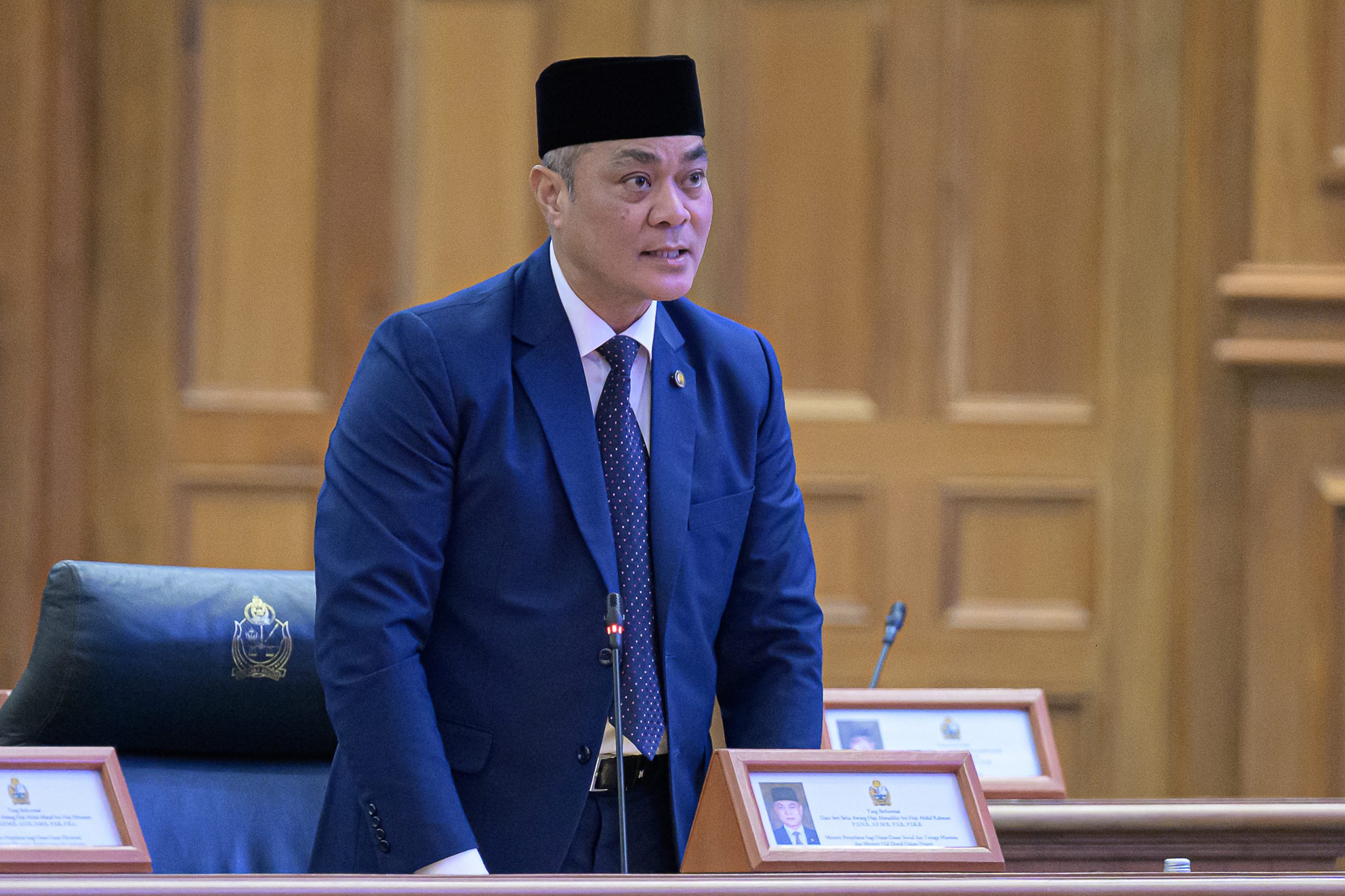
These three key strategies to strengthen local workforce participation was mentioned by Coordinating Minister for Social Policies and Manpower and Minister of Home Affairs Yang Berhormat Dato Seri Setia Awang Haji Ahmaddin bin Haji Abdul Rahman yesterday on the fourth day of the Second Meeting of the 22nd Legislative Council (LegCo) Session.
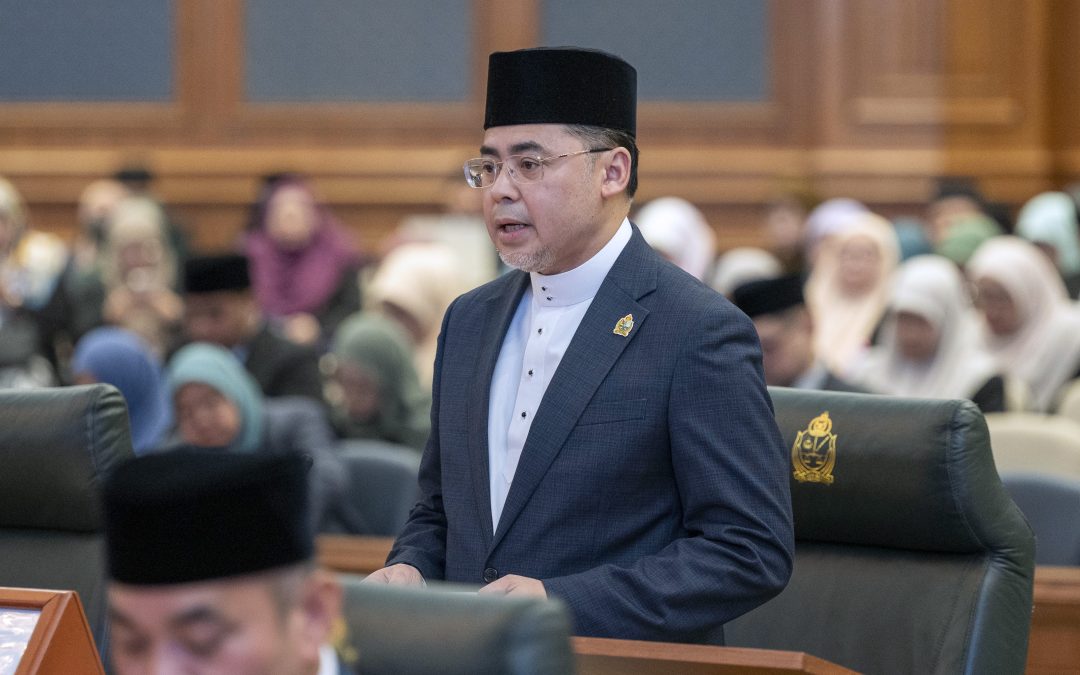
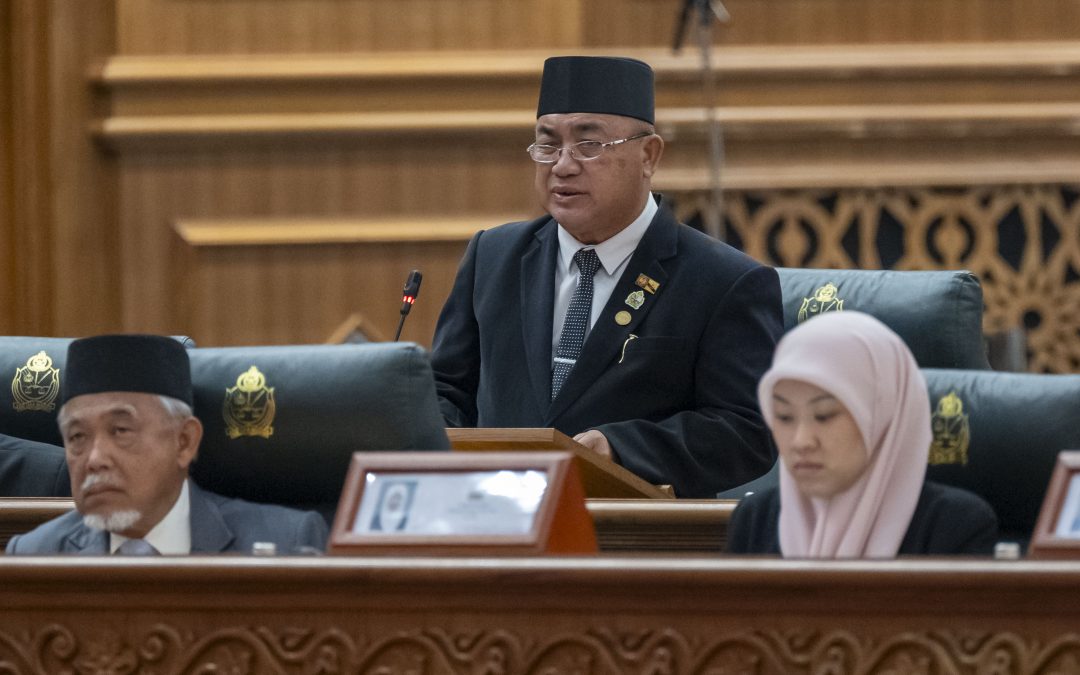
Yang Berhormat Dato Seri Setia Awang Haji Ahmaddin was responding to questions by LegCo members Yang Berhormat Haji Mohd Salleh bin Haji Othman and Yang Berhormat Haji Mohamad Danial @ Tekpin bin Ya’akub on prioritising local employment.
Based on the 2025 Employer and Employee Census, the minister shared, “A total of 148,129 people were employed in the private sector, comprising 66,116 local employees, or 45 per cent, and 82,013 foreign workers, or 55 per cent.”
The five sectors with the highest reliance on foreign workers are the construction sector, with foreign workers accounting for 82 per cent (21,611 workers), compared with 18 per cent (4,714 workers) who are local employees; the agriculture, forestry and fisheries sector, with 75 per cent (3,888 workers) being foreign workers, compared with 25 per cent (1,263 workers) who are local employees; other services activities sector, with foreign workers accounting for 69 per cent (2,877 workers), compared with 31 per cent (1,291 workers) who are local employees; the accommodation and food service activities sector, with 67 per cent (13,938 workers) being foreign workers, compared with 33 per cent (6,953 workers) who are local employees; and the manufacturing sector, with foreign workers accounting for 63 per cent (8,272 workers), compared with 37 per cent (4,962 workers) who are local employees.
The analysis, he said, “also shows that 22 per cent (4,224 workers) of the 19,183 management-level positions are occupied by locals including company directors, managing directors and general managers. Meanwhile, 38 per cent (19,051 individuals) of the 50,586 foreign workers are concentrated in labour-intensive occupations”.
In regards to the three strategies, he explained, “First, a strategy to prioritise the recruitment of local citizens through the assessment of Clearance Letter applications and job-matching services provided by JobCentre Brunei.
“Second, a strategy to develop a workforce that meets industry requirements. Since its implementation in 2017 up to June 30, 2026, the Manpower Planning and Employment Council has introduced 17 manpower development programmes in areas such as Health, Safety and Environment (HSE), accounting, human resources, and allied health.
“These programmes have been attended by 16,158 local participants, comprising 15,230 jobseekers and 928 individuals who are already employed.” He expressed, “Alhamdulillah, of the 15,230 local jobseekers, 13,839 have completed the programmes, while the remaining 1,391 are still actively participating in the programmes.
“Meanwhile, the remaining 2,348 people, or 17 per cent, have no recent employment records with the Employees Trust Fund, no recent records of job-seeking activity through JobCentre Brunei, and no recent enrolment records with local higher education institutions, overseas scholarship programmes, or the Education Loan Assistance Scheme under the Ministry of Education.”
Third, he explained, “A strategy of establishing a minimum wage policy in the private sector. The government has implemented the Employment (Minimum Wage) Order in phases as a measure to prevent workers in certain sectors from being paid excessively low wages.
”The implementation of this policy will be reviewed from time to time to ensure that subsequent phases take into account the lessons learned from Phases 1 and 2, and are further strengthened to ensure more effective implementation and alignment with the intended outcomes.”
Overall, he highlighted, “The government’s strategy is to give greater strategic priority to the local workforce while ensuring that the labour needs of industries continue to be met and that national productivity is not adversely affected.
“Success will not be measured solely by the proportion of local workers, but also by improvements in employment placement and retention rates, skills levels, productivity, income, and the number of local citizens who successfully build sustainable careers in key sectors of the national economy.”
(news source: Borneo Bulletin ; pic source: Info Foto, Jbt Penerangan)