The Ministry of Development, through the Department of Environment, Parks and Recreation (JASTRe), has established electronic waste (e-waste) collection points at Sungai Paku and Sungai Akar for the public to dispose of their e-waste.
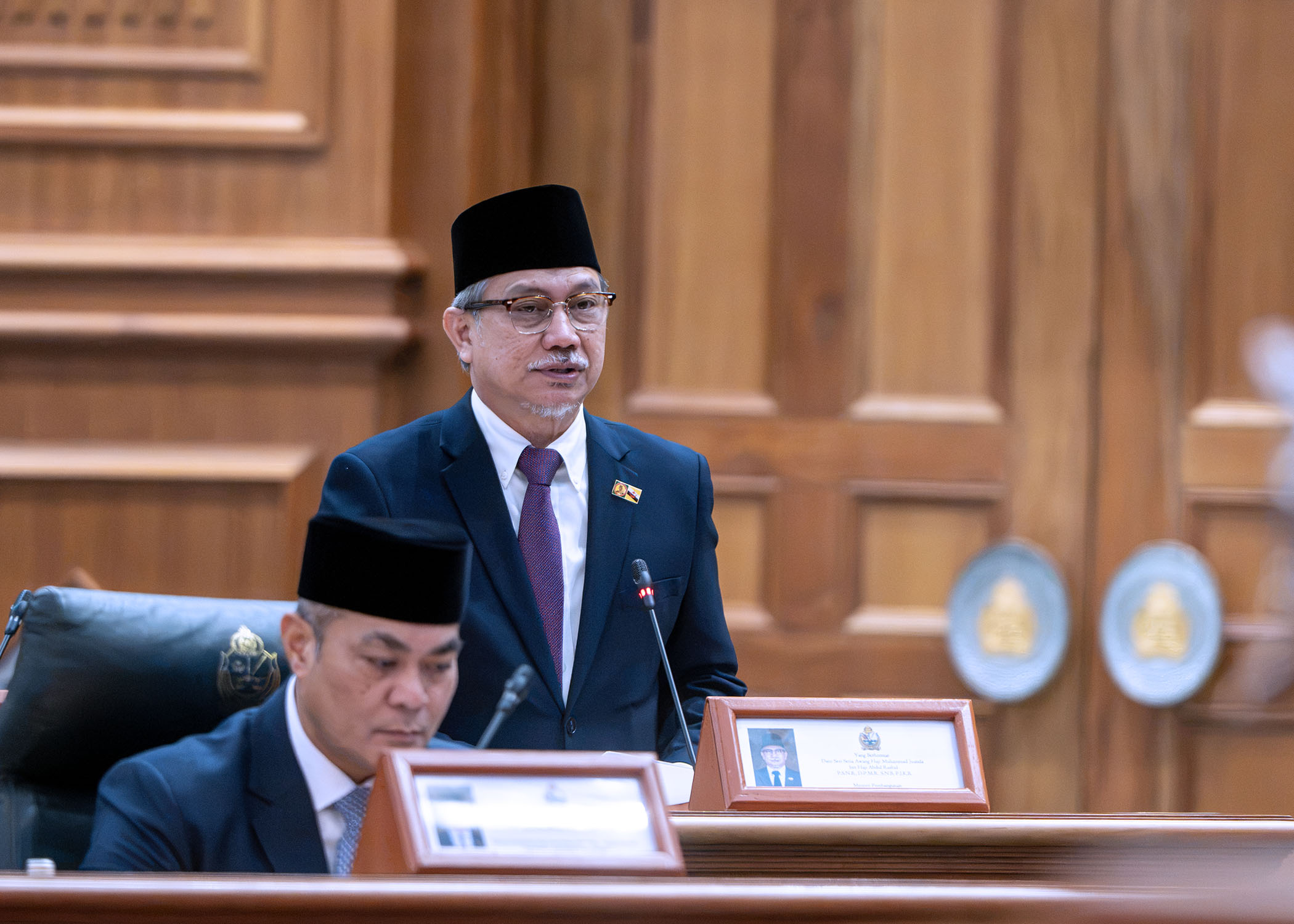
The collection of e-waste was highlighted by Minister of Development Yang Berhormat Dato Seri Setia Awang Haji Muhammad Juanda bin Haji Abdul Rashid, speaking on the sixth day of the Second Meeting of the 22nd Legislative Council (LegCo) Session yesterday in response to a question on government policies and planning related to the collection, recycling, and disposal of e-waste.
Yang Berhormat Dato Seri Setia Awang Haji Muhammad Juanda said that e-waste refers to electrical and electronic equipment that is no longer usable or wanted and needs to be disposed of, including old television sets, refrigerators, mobile phones, laptops, air conditioners, washing machines, VCD and DVD players, computers, hair dryers, projectors, and other similar equipment.
He added that most e-waste contains toxic and potentially hazardous substances that can pose risks not only to the environment but also to human health.
Disposing of e-waste in ordinary rubbish bins can be hazardous, as many electrical and electronic products contain substances such as sulphur, mercury, and beryllium oxide, as well as hazardous heavy metals including cadmium, chromium, and lead.
E-waste must be disposed of properly and in accordance with relevant regulations, while improper disposal also contributes to the rapid filling of landfill sites.
Another reason for proper e-waste disposal, he mentioned, is that some components found in electrical and electronic equipment can be recovered and reused in new devices or projects.
Once collected, JASTRe, through an appointed contractor, will separate materials such as copper, gold, and aluminium for recovery through safe recycling processes.
When properly managed, such processes not only help reduce pollution but also support the circular economy and create employment opportunities.
According to information shared by the JASTRe, an estimated 68.2 tonnes of e-waste were delivered to the e-waste collection centres at Sungai Paku and Sungai Akar in 2025 for proper disposal and recycling.
Globally, the Global E-waste Monitor Report shows that only 22.3 per cent of the 62 million metric tonnes of waste electrical and electronic equipment generated annually is formally recycled, highlighting global challenges in e-waste management and underscoring the need for a more integrated approach to strengthening waste reduction, reuse, and recycling practices.
(news source: Borneo Bulletin ; pic source: Info Foto, Jbt Penerangan)