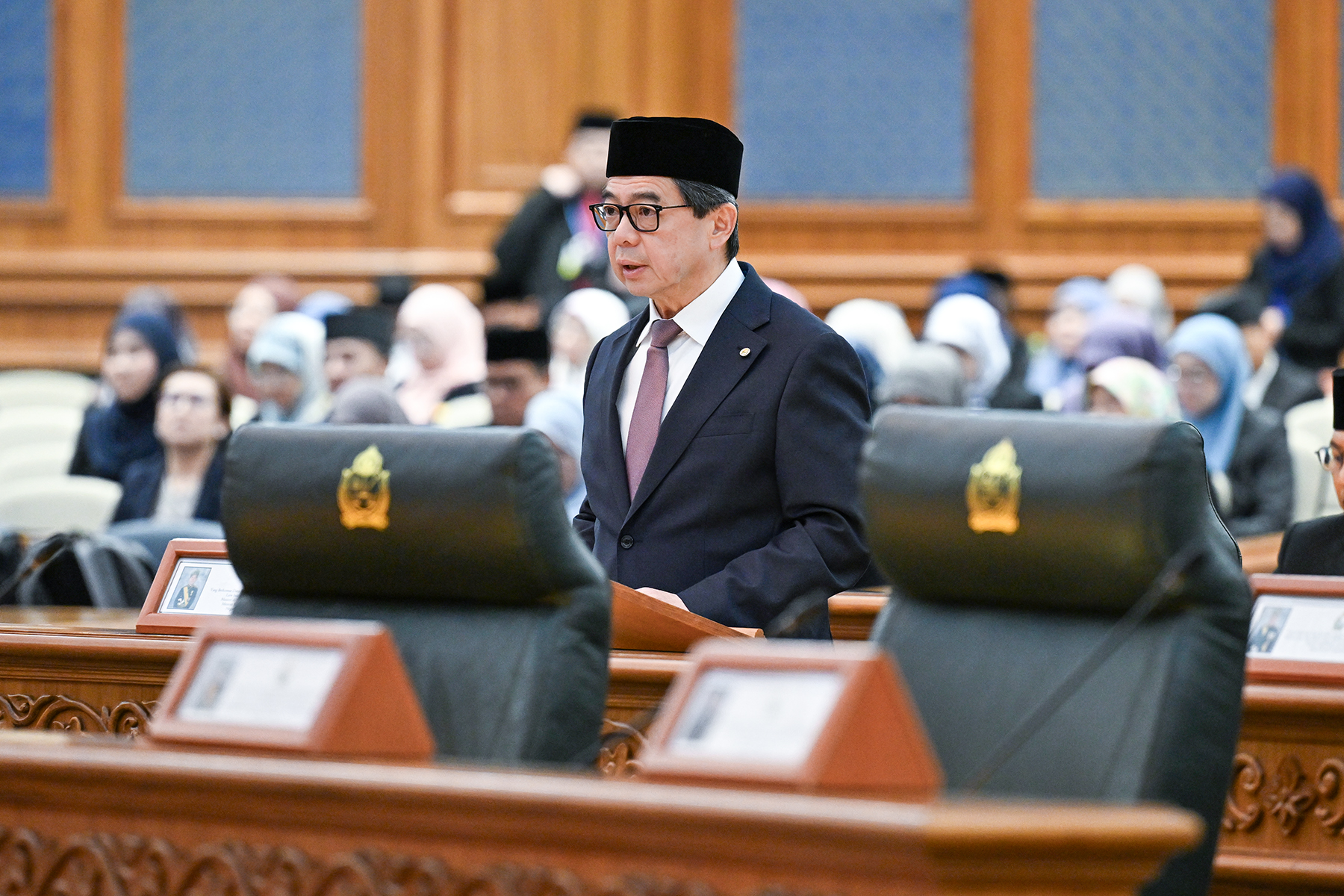
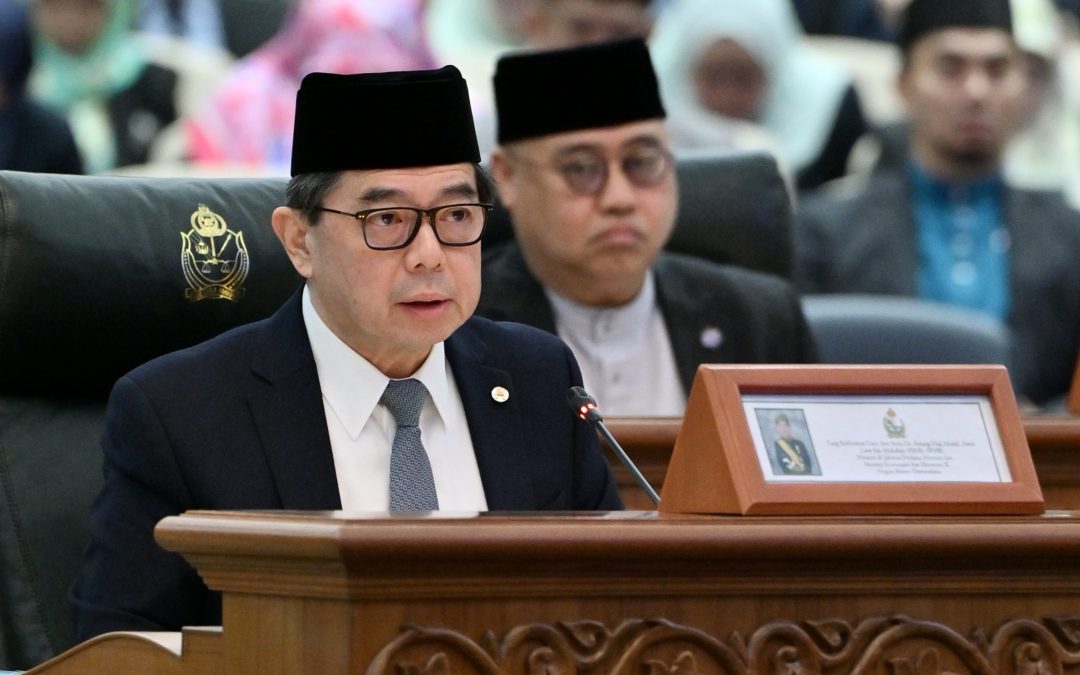
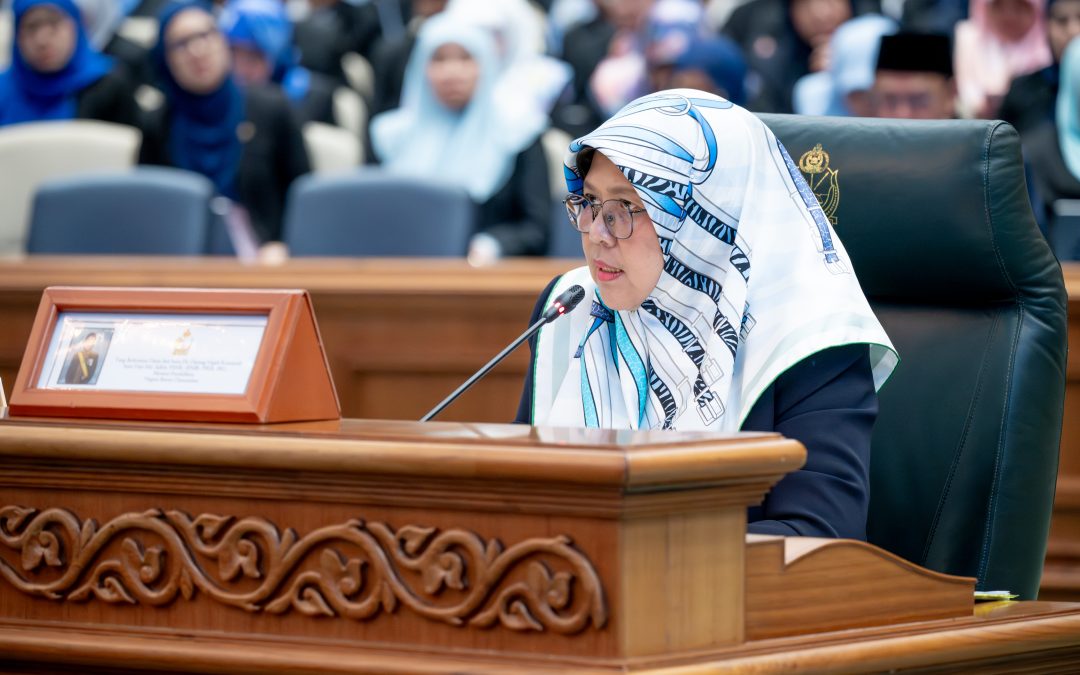
Minister at the Prime Minister’s Office and Minister of Finance and Economy II Yang Berhormat Dato Seri Setia Dr Awang Haji Mohd Amin Liew bin Abdullah presented the proposed National Budget for the 2026/2027 Financial Year during the First Meeting of the 22nd Session of the Legislative Council, outlining the government’s fiscal direction and economic priorities moving forward with a total budget of BND6.3 billion to be drawn from the Consolidated Fund to finance government expenditure for the upcoming financial year. In his presentation, the minister said the budget was formulated to continue the government’s efforts to realise Brunei Vision 2035.
The proposed budget emphasises a sustainable fiscal agenda, ensuring that the public spending is managed efficiently with focus on high-impact and results-oriented outcomes.
The government will also continue implementing its Fiscal Consolidation Programme aimed at improving public financial governance, enhancing the efficiency of government service delivery and strengthening the role of the private sector as a driver of economic growth.
The minister stressed that heavy reliance on oil and gas is not sustainable in the long term, and the government will continue efforts to diversify the economy and strengthen non-oil and gas sectors. In the education sector, Universiti Brunei Darussalam climed 18 places to rank 367th in the QS World University Rankings 2026 and entered the top 25 per cent globally among over 8,000 institutions evaluated.
Meanwhile, Universiti Teknologi Brunei ranked 578th in the same rankings and was placed ninth among ASEAN universities specialising in technology and engineering. Brunei also ranked 43rd out of 135 countries in the Global Talent Competitiveness Index 2025, placing the nation among the top 0ne-third globally in attracting and developing skilled talent. Under the second goal of Brunei Vision 2035, which is ensuring a high quality of life, the government continues to prioritise quality healthcare, safe living environments and inclusive social support systems.
Life expectancy in Brunei reached approximately 79.1 years in 2024, while infant mortality remained low at around 11.4 per 1,000 births.
Access to essential services also remains high, with electricity and water coverage reaching 99.9 per cent and internet access available to 99 per cent of populated areas.
On economic performance, the minister reported that the country’s gross domestic product grew by 0.7 per cent in 2025, mainly driven by a 3.1 per cent increase in the oil and gas sector.
Meanwhile, the non oil and gas sector declined by 1.5 per cent, reflecting slower performance in several subsectors including finance and manufacturing. The country recorded a trade surplus of BND5.1 billion in 2025, although slightly lower than the previous year due to global uncertainties affecting commodity prices.
Inflation remained low and stable at around -0.3 per cent, supported by government subsidies and price monitoring measures. The minister also shared that government revenue for the 2024/2025 financial year stood at BND3.53 billion, a decline from BND 3.69 billion in the previous year.
Government expenditure increased to BND6.25 billion, resulting in a budget deficit of BND2.72 billion.
For the proposed 2026/2027 budget allocation, BND2.31 billion will be allocated for emoluments including salaries and service benefits, while BND2.45 billion will fund the recurring expenditures of ministries and government departments.
Another BND480 million will finance development projects under the Twelfth National Development Plan (RKN12), with the remainder allocated for charged expenditures.
(news source: Borneo Bulletin; pic source: Info Foto, Jabatan Penerangan)