In ensuring that electricity tariffs remain competitive and affordable, particularly for low-income groups, the government’s approach is based on balancing social welfare, economic competitiveness, and the sustainability of the long-term energy system.
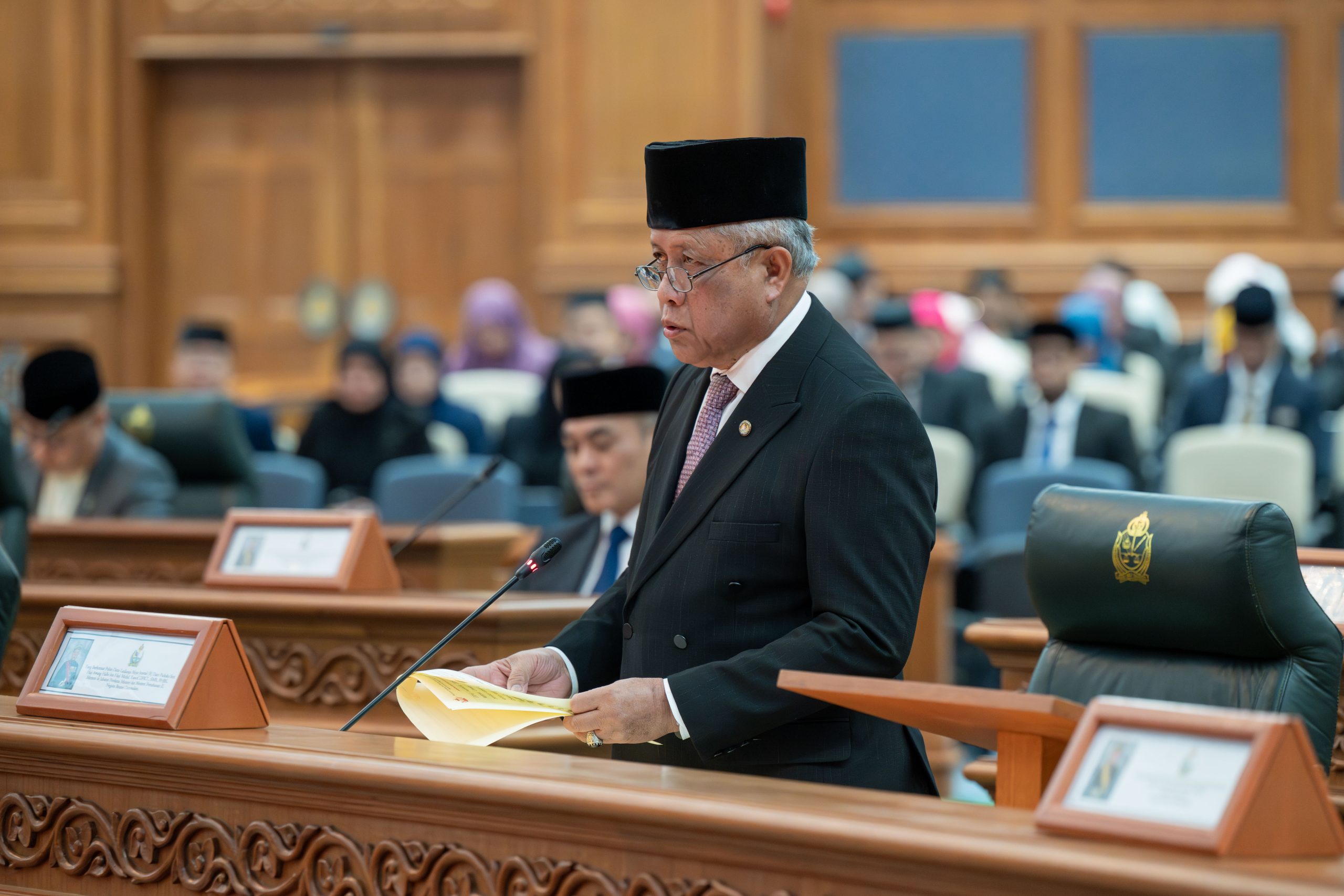
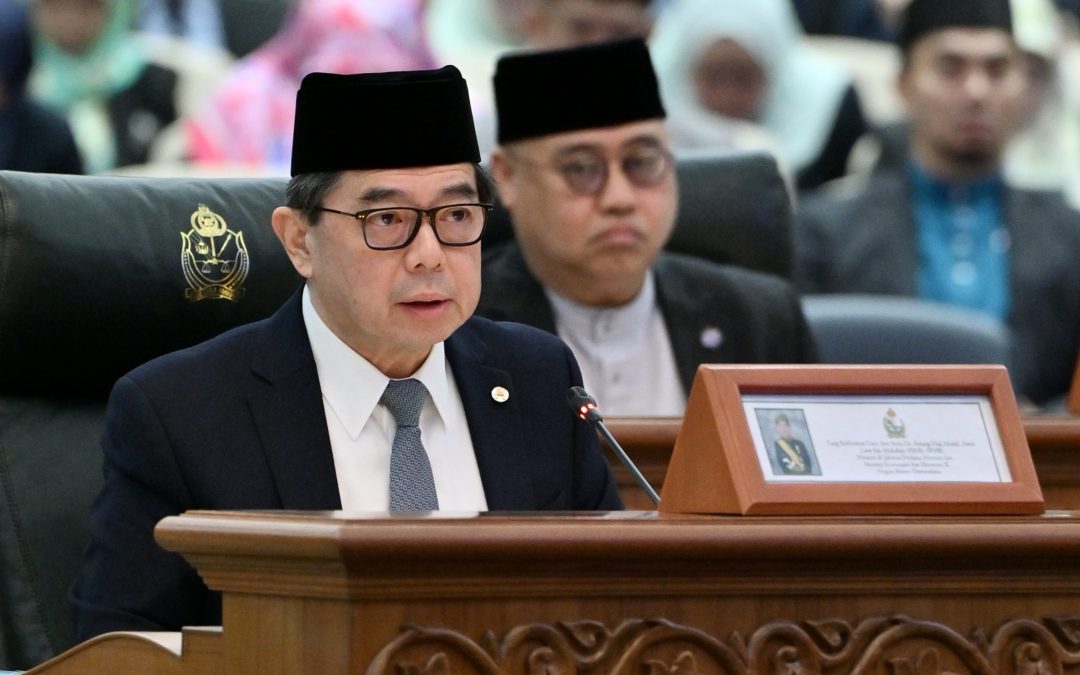
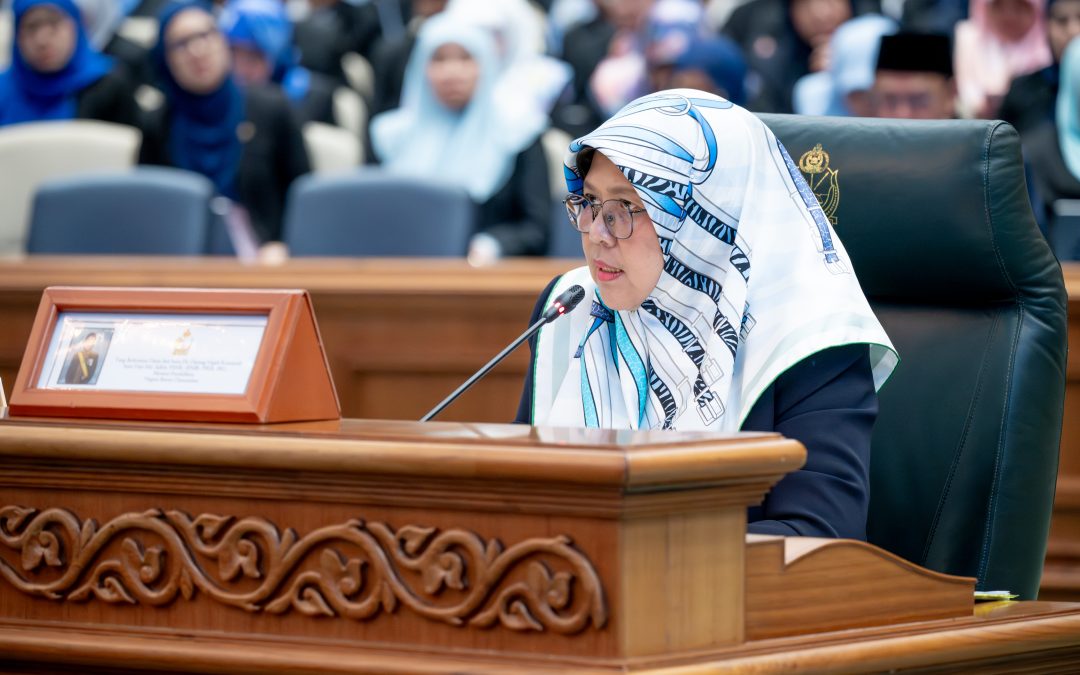
This was highlighted by Minister at the Prime Minister’s Office and Minister of Defence II Yang Berhormat Pehin Datu Lailaraja Major General (Rtd) Dato Paduka Seri Awang Haji Halbi bin Haji Mohd Yussof on the fifth day of the First Meeting of the 22nd Session of the Legislative Council (LegCo) yesterday in response to query raised by LegCo member Yang Berhormat Haji Mohamad Danial @Tekpin bin Ya’akub.
Alhamdulillah, by the grace of Allah the Almighty, the Government of His Majesty Sultan Haji Hassanal Bolkiah Mu izzaddin Waddaulah ibni Al-Marhum Sultan Haji Omar Ali Saifuddien Sa’adul Khairi Waddien, Sultan and Yang Di-Pertuan of Brunei Darussalam is still able to maintain support for electricity tariffs for the public, ensuring that energy costs remain reasonable, thereby supporting economic productivity, social welfare, and the continuous prosperity of the country,” said the minister.
The minister added, “The residential tariff structure was revised in 2012, where previously the tariff rate was regressive, and it was changed to a progressive structure. The adjustment to the tariff is intended to ensure that low-income groups are protected through lower rates for basic usage blocks, while higher consumption is charged at rates that better reflect the actual cost, encouraging the public to practice energy-saving habits in their daily electricity usage.
“This approach allows assistance to be indirectly targeted towards low-income households. As of 2023, the first block of the residential tariff covers around six per cent of total domestic users, who typically consist of low- and middle-income households with low electricity usage.
Yang Berhormat Pehin Datu Lailaraja Major General (Rtd) Dato Paduka Seri Awang Haji Halbi noted, “Additional support for families or individuals who are less able to pay electricity bills or have high consumption is also provided on a case-by-case basis, based on a list identified by the Brunei Religious Council (MUIB).”
“To date, the department has received 33 applications supported by MUIB for the distribution of this assistance. Among the methods that could be considered is the installation of additional meters for low-income households where multiple families reside in a single premise.”
“However, any consideration or permission for the installation of these meters must first be obtained through confirmation from Penghulu or the Village Head. Efforts are also focused on empowering users to control energy consumption.”
“The use of the USMS smart meter system allows users to monitor their electricity usage more closely, encouraging more energy-efficient practices and helping users better manage their electricity bill expenses,” the minister added.
He said, “In efforts to reduce the overall burden of electricity bills on users, the most critical factor lies not only in the tariff structure but also in the level of usage itself through the practice of Energy Efficiency and Conservation (EEC).”
(news source: Borneo Bulletin; pic source: Info Foto, Jabatan Penerangan)