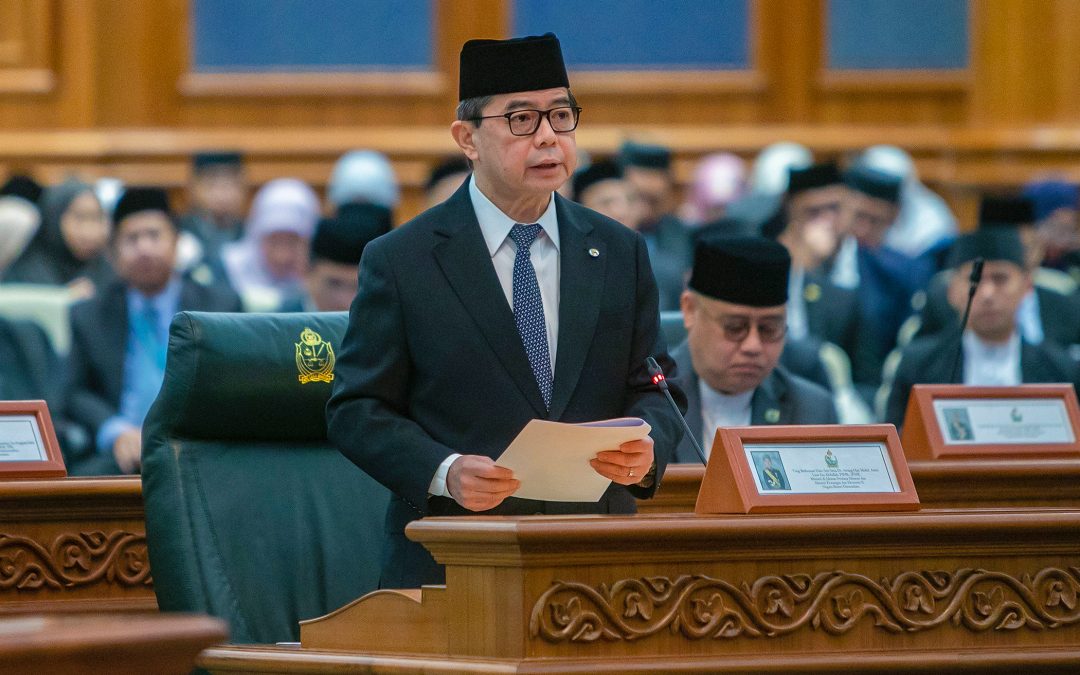
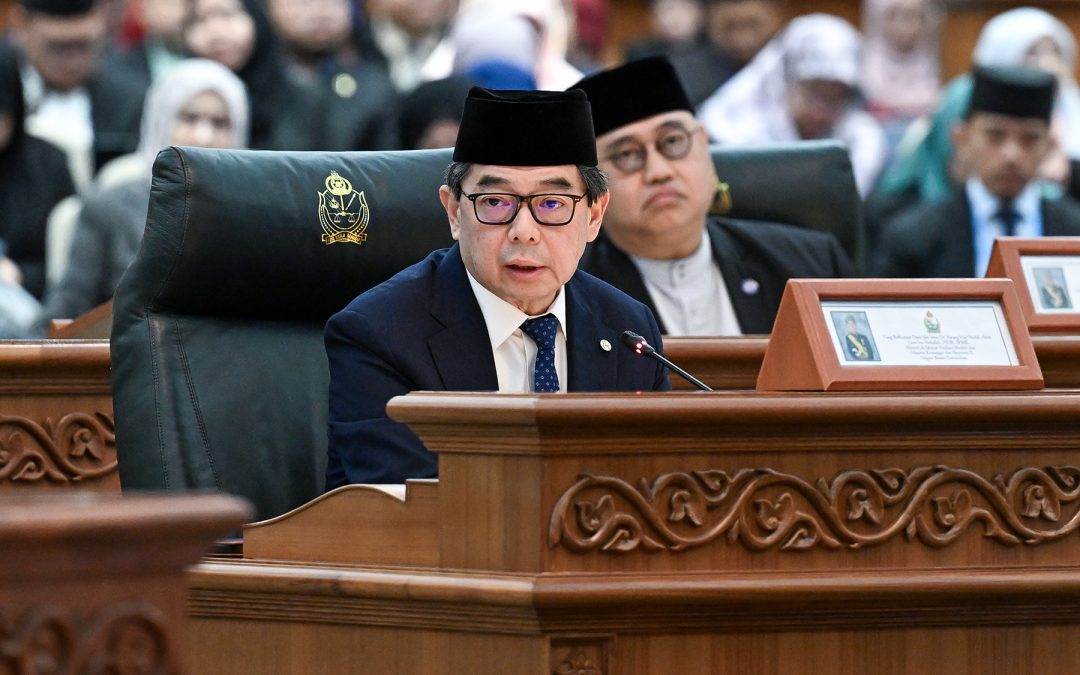
The Ministry of Health (MoH) employs several patient feedback mechanisms to evaluate public satisfaction with hospital services and healthcare facilities. These mechanisms include feedback channels, case management processes, and trend monitoring to support continuous improvement, said Minister of Health Yang Berhormat Dato Seri Setia Dr Haji Mohd Isham bin Haji Jaafar.
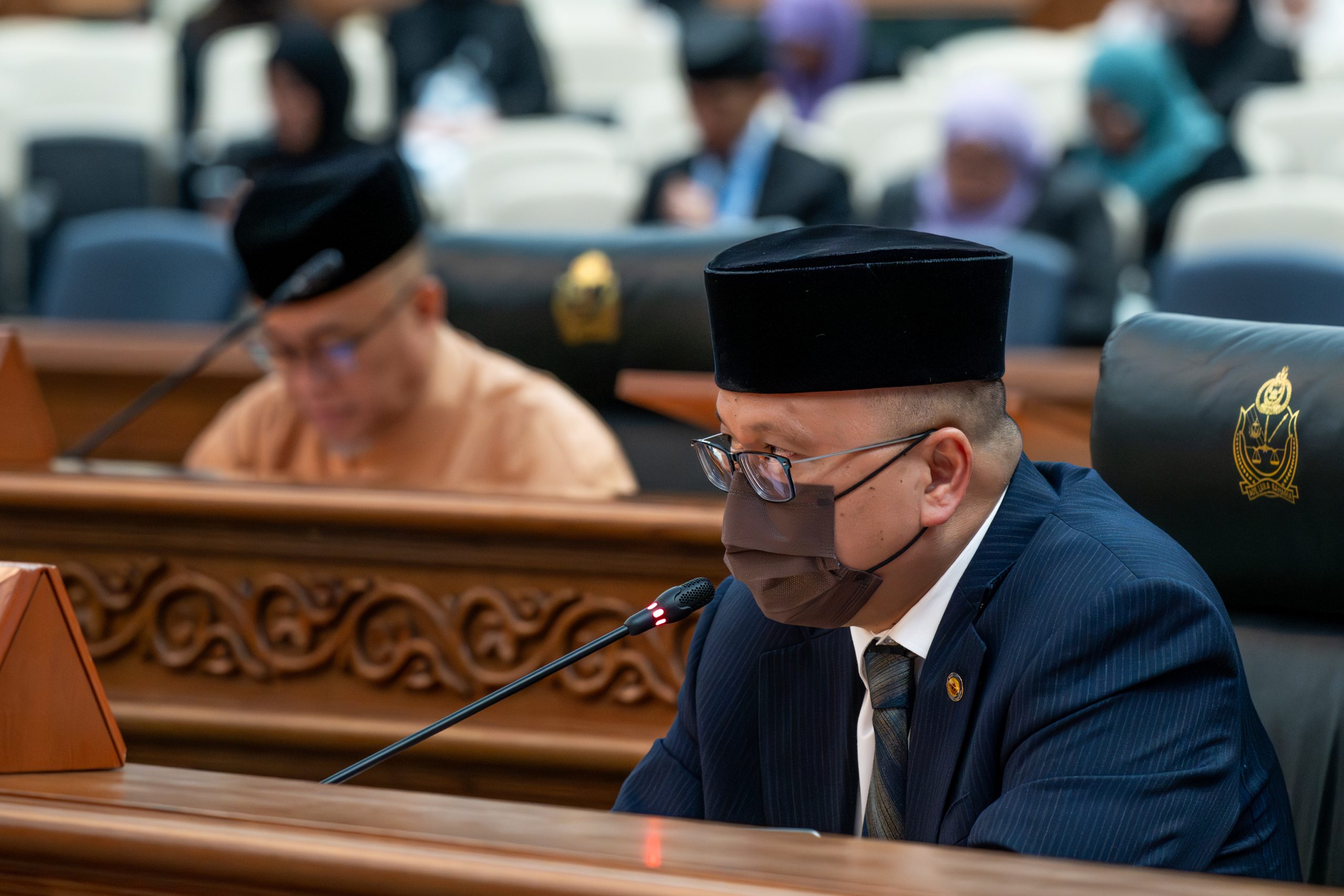
He noted this in response to the matter raised by Legislative Council (LegCo) member Yang Berhormat Haji Mohamad Danial @ Tekpin bin Ya’akub on the patient feedback mechanisms used to assess public satisfaction with services in government hospitals at the First Meeting of the 22nd Session of the Legislative Council on Tuesday.
There are five most frequently raised issues according to MOH-cares data for 2025, which are long waiting times (40 per cent) particularly in emergency departments, registration counters, and specialist clinics, attitude and communication of healthcare staff (25 percent) including tone, lack of empathy, and ethical concerns: quality of clinical services (18 per cent) involving treatment delays and patient safety issues; registration and scheduling processes (10 percent) including postponed appointments without notice and facilities and infrastructure (Seven per cent) including cleanliness and maintenance.
In response, the ministry has implemented several initiatives, including improving queue management and patient flow systems, expanding the use of the BruHealth app for online appointment bookings, strengthening interdepartmental communication, enhancing customer service training, and improving patient safety reporting mechanisms.
Meanwhile, LegCo member Yang Berhormat Hajah Rosmawatty binti Haji Abdul Mumin raised a matter on whether the ministry plans to include anxiety as a mental health indicator in the Epidemic Intelligence and Response Unit (EIRU) system.
In response, the minister noted that mental health is among its key priorities, recognising that conditions such as anxiety can significantly affect individual well-being, family harmony, and national productivity.
Currently, the EIRU system primarily focuses on monitoring communicable diseases, in line with its original mandate.
Regarding the proposal to include anxiety as a specific indica-tor, it was explained that this will be carefully evaluated, taking into account disease burden, current trends, and its impact on society and the healthcare system.
At present, there are no immediate plans to include anxiety specifically within the EIRU system.
However, the ministry is reviewing and updating its planning using the EVYDENCE platform via the BruHealth application and the Health index to develop a comprehensive Mental Health Surveillance System.
With this approach, the ministry aims to strengthen policy planning, early intervention, and re source allocation in mental health in a more structured, holistic, and evidence-based manner, ensuring the well-being of the population is safeguarded.
(news source: Borneo Bulletin; pic source: Info Foto, Jabatan Penerangan)