Based on figures recorded by the Ministry of Health and the Ministry of Home Affairs through the Department of Immigration and National Registration (JIPK), there were a total of 2,054 births over an eight-year period from 2019 up to the first three months of 2026, which alone recorded 33 births.
Out of the 2,054 births, 1,762 were born to citizen mothers: 70 to permanent residents (stateless) and 219 to foreign nationals.
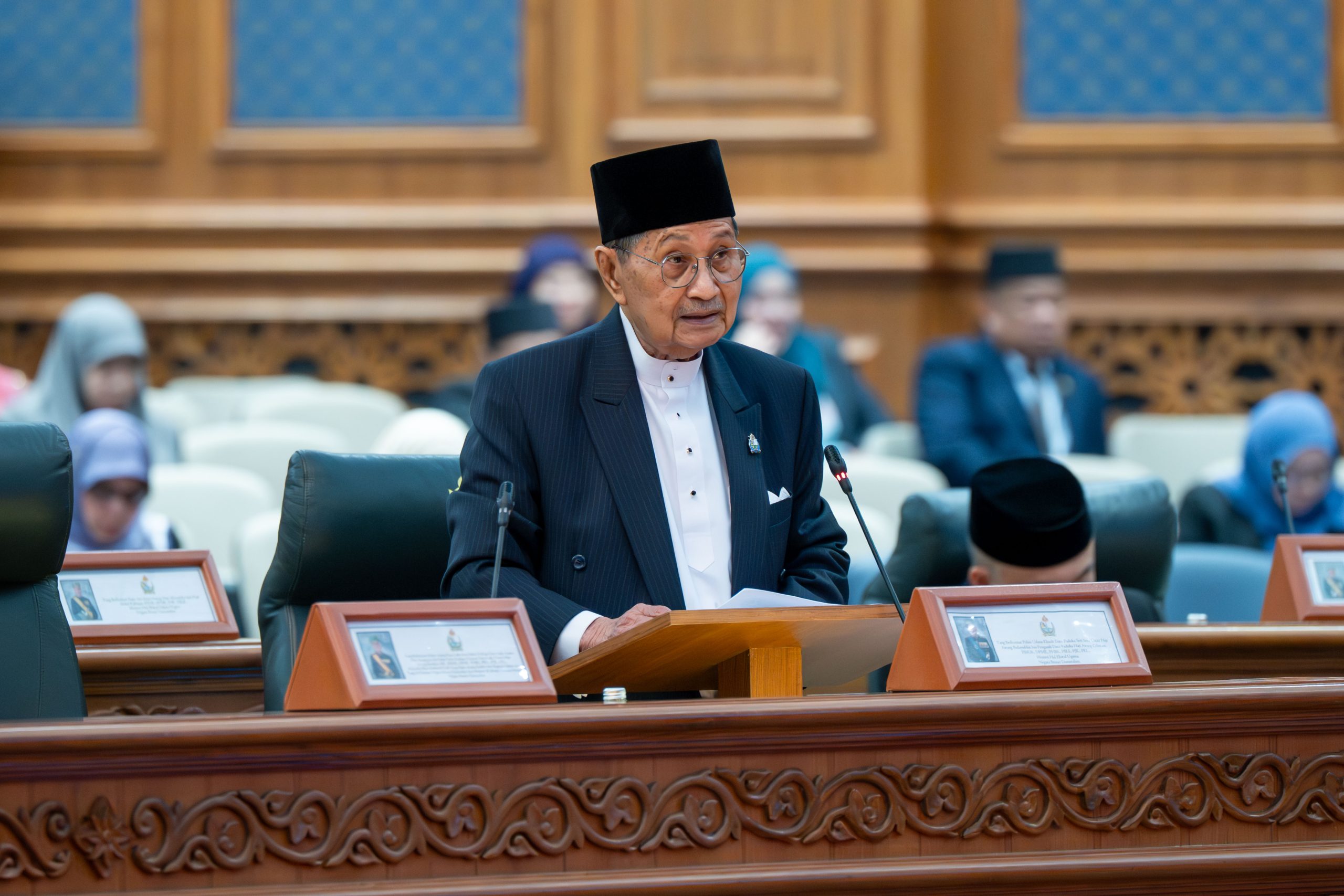
These details were shared by Minister of Religious Affairs Yang Berhormat Pehin Udana Khatib Dato Paduka Seri Setia Ustaz Awang Haji Badaruddin bin Pengarah Dato Paduka Awang Haji Othman, in addressing the matters raised by Legislative Council (LegCo) member Yang Berhormat Hajah Safiah binti Sheikh Haji Abdul Salam at the First Meeting of the 22nd Session of the LegCo yesterday.
Yang Berhormat Hajah Safiah questioned about children born out of wedlock including the system support evaluation such as health, education and awareness as well as assistance systems, and protection from societal stigma and neglect.
The minister pointed out that in terms of birth registration categories – whether recorded in hospitals or at JIPK- there is no term such as a child born out of wedlock, but what exists is the classification of illegitimate children, which falls into three categories.
Under K180 Category are children born less than 180 days after the parents marriage where in this case, the father’s name will not be recorded in the ‘father section of the birth certificate; Undetermined Category is children born to a mother who was unmarried at the time of birth and similarly, no father’s name is recorded on the birth certificate and Laqit Category are children with no known parents (abandoned children), commonly referred to in Brunei as adopted/found children.
To the question of whether the annual trend of these categories of births show an increase, the minister noted that it does not as the trend shows a decline over the eight-year period, from 378 cases in 2019 to 230 in 2025.
From the perspective of Syariah criminal records under Section 94(1) of the Syariah Penal Code involving offences of women becoming pregnant out of wedlock, records show 19 cases in 2023; 17 cases in 2024 and 12 cases last year, which also shows a declining trend over the past three years.
Meanwhile, there were no reported cases under Section 94(5) involving men responsible for impregnating Muslim women out of wedlock. The minister noted that the issue is not primarily about conducting further studies to identify the main cause as this is a social issue recognised at the national level that requires careful handling.
He noted that this issue is being addressed nationally through the National Council on Social Issues (MKIS), a platform involving multiple ministries and agencies, hence the ministry prioritises preventive action to stop this from becoming a social norm or accepted trend rather than waiting for study results.
Awareness efforts implemented include religious outreach and education with focus on awareness programmes to strengthen faith, morals, and character along with preventive efforts according to the law with programmes conducted in various formats and approaches suiting with the atmosphere and condition among the target audience.
Prevention and awareness pro-grammes are conducted in educational institutions and communities where in 2025 alone, 25 sessions were held with 3,052 participants.
The programmes aim to increase awareness and understanding. encourage repentance and moral reform and to highlight the legal implication on the offence of prohibited close proximity between unmarried male and female and other legal implications such as the absence of the father’s name on birth certificates.
Efforts also include continuous monitoring and enforcement including patrols and operations in high-risk locations of immoral activities where in 2025, a total of 634 enforcement operations were conducted.
In terms of Support Systems for Affected Children matters, the minister pointed out that children classified as illegitimate are recognised as orphans under the Islamic law and relevant legislation and they are eligible for social welfare protection, including Zakat assistance (food, schooling expenses. allowances, scholarships including higher education, locally and abroad) including from programmes such as BIBD ALAF. In the aspect of Protection System, there are also legal provisions protecting these children from neglect and abuse, including Children and Young Persons Act (Chapter 219) and Islamic Adoption of Children Act (Chapter 206).
Such children are also protected legally and socially through welfare systems such as government agencies and social welfare bodies such as JUZWAB and JAPEM, ensuring protection from societal stigma, neglect and mistreatment.
(news source: Borneo Bulletin; pic source: Info Foto, Jabatan Penerangan)