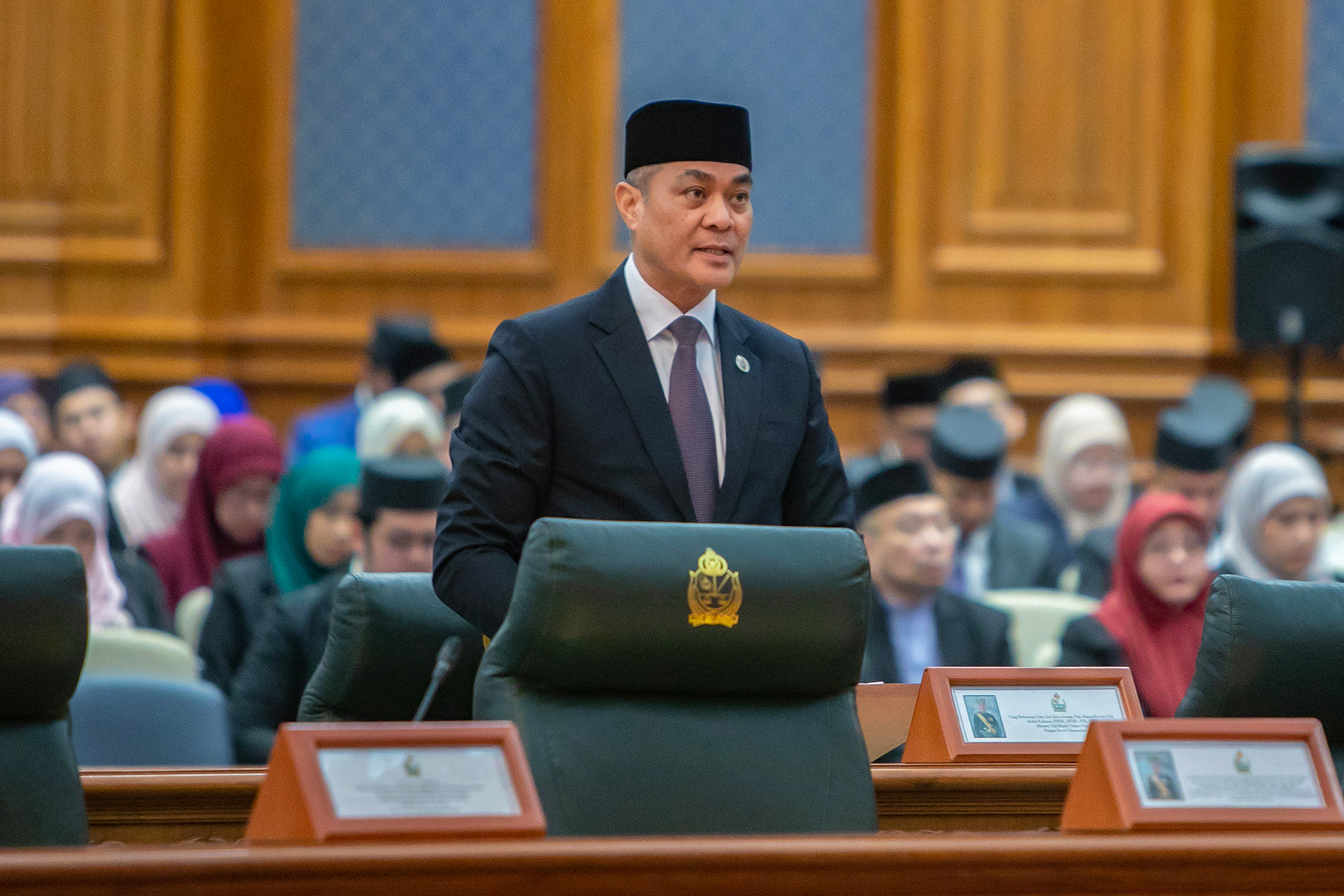
The Labour Department continues to tighten oversight and protection of workers in the private sector through digital systems, legal enforcement, and international cooperation said Minister of Home Affairs Yang Berhormat Dato Seri Setia Awang Haji Ahmaddin bin Haji Abdul Rahman in response to matters raised by Legislative Council (LegCo) members Yang Berhormat Hajah Safiah binti Sheikh Haji Abdul Salam and Yang Berhormat Pehin Orang Kaya Laila Setia Dato Seri Setia Awang Haji Abdul Rahman bin Haji Ibrahim.
Yang Berhormat Hajah Safiah raised the matter of mechanisms in place to ensure there is no abuse. oppression, or exploitation of workers in the private sector, while Yang Berhormat Pehin Orang Kaya Laila Setia Dato Seri Setia Awang Haji Abdul Rahman questioned monitoring measures implemented to regulate the number of foreign workers in an orderly and continuous manner.
Since April 2023, the National Labour Management System (NLMS) has enabled online applications for the Foreign Worker Recruitment License (LPA), replacing manual processes and allowing better data sharing with enforcement agencies, including the Immigration and National Registration Department (INRD).
The integration, said the minister. helps prevent misuse of licenses and ensures effective monitoring of workers.
Under Chapter 10 of the Employment Order, Chapter 278, employers are required to provide written employment contracts specifying job details, salary, working hours leave entitlements, and health and safety provisions, from 2023 to 2025, offences related to contracts rose from 34 to 64 cases, resulting in BND85,200 in fines.
Employers failing to comply face fines up to BND3,000, imprisonment, or both: Workplace inspections have also increased, with 3,463 premises checked from 2023 to 2025.
Top offences included hiring foreign workers without valid licenses, failing to obtain workplace approvals, and not providing public holidays, leading to 529 compounds totalling BND228,600.
Court prosecutions were also carried out against unlicensed agencies and non-payment of wages.
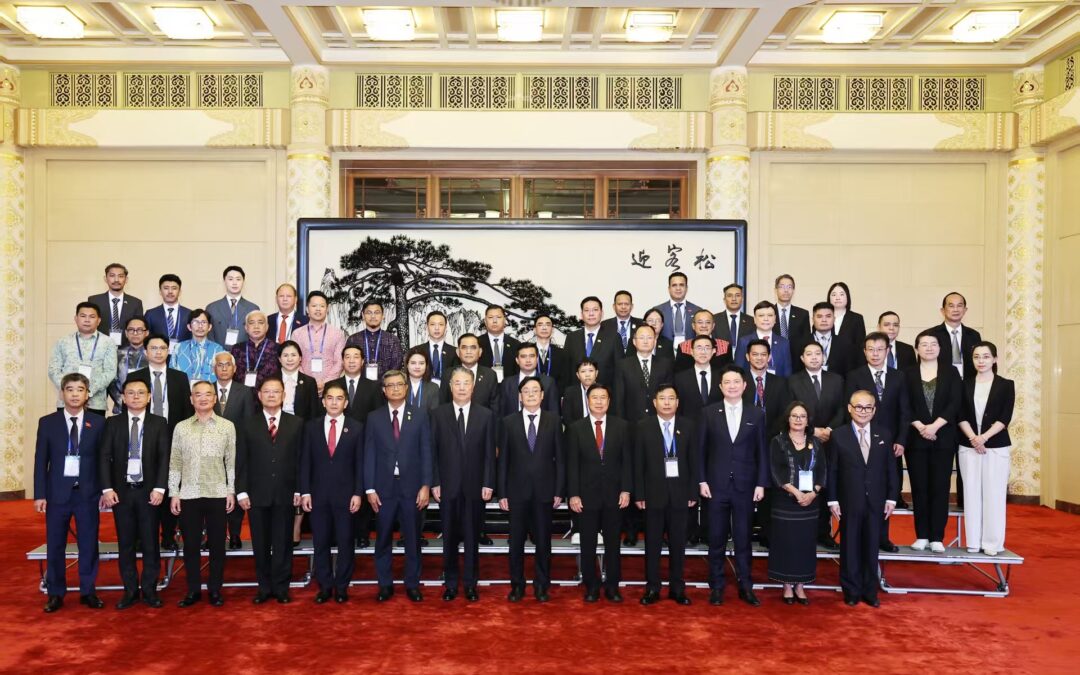
Complaint channels, including In-person counters, email, and WhatsApp, handled 175 complaints in Financial Year 2025/2026, mostly involving late wages, unauthorised deductions, or failure to repatriate workers. International cooperation has been strengthened through memorandums of understanding with Bangladesh and Timor-Leste, resulting in a rise in approved foreign workers from Bangladesh, from 473 in 2024 to 1,929 in 2025.
The Immigration and National Registration System (INRS) and the BruneilD digital platform now integrate worker data to monitor foreign labour comprehensively.
Over the past three years, 862 enforcement operations led to 142 court prosecutions, 6,748 fines totalling BND3.25 million, and 4,344 repatriations.
The government emphasises that these measures ensure legal, orderly employment, protect worker rights, and maintain a stable labour market.
(news source: Borneo Bulletin; pic source: Info Foto, Jabatan Penerangan)