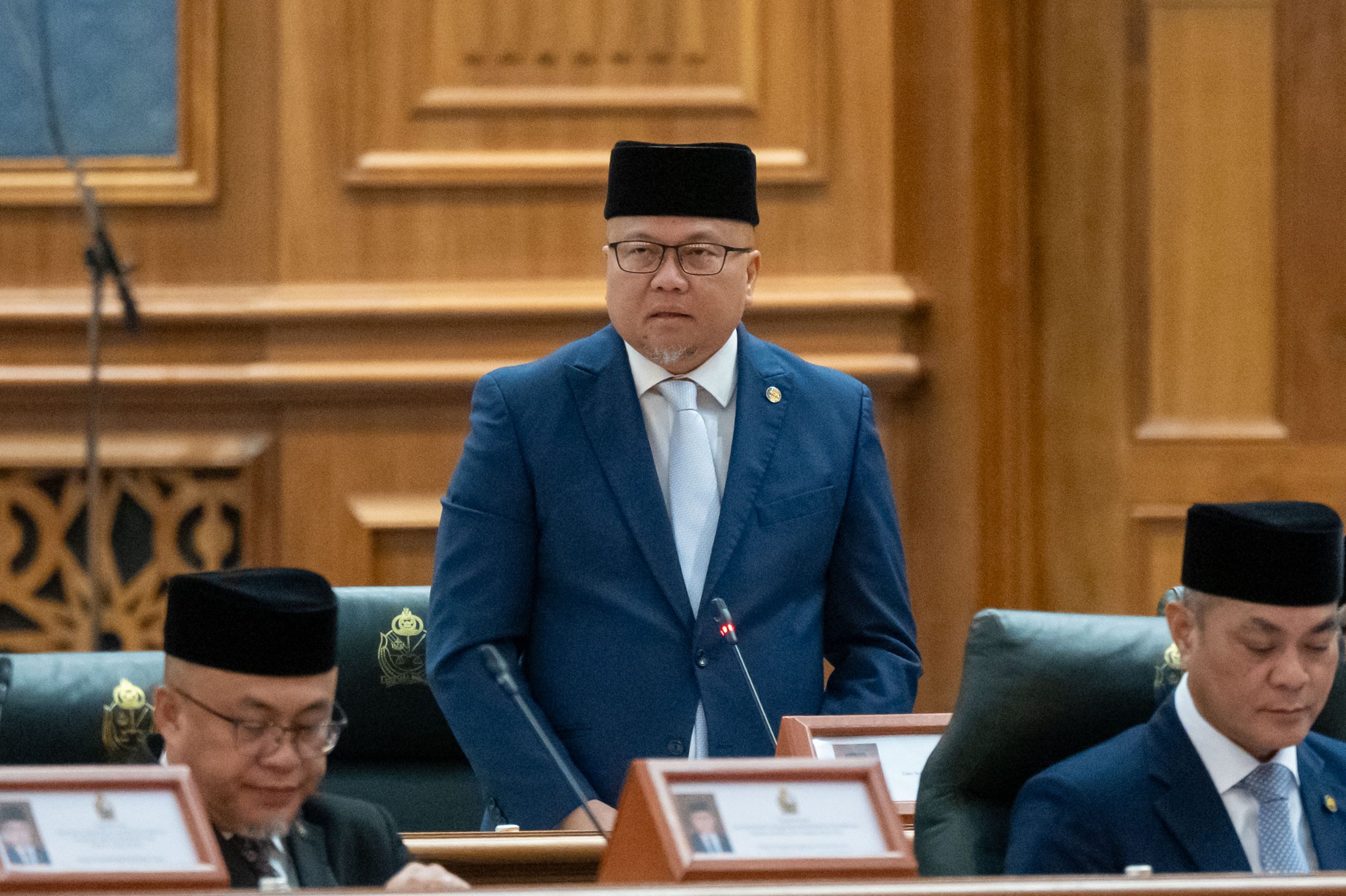
The Ministry of Health (MoH) will continue to strengthen specialist healthcare service capacity through strategic planning, human capital development, digital transformation, and the enhancement of the overall healthcare system. The ministry’s goal is to ensure that every patient continues to have access to high-quality, efficient, equitable, and sustainable specialist healthcare services, said Minister of Health Yang Berhormat Dato Seri Setia Dr Haji Mohd Isham bin Haji Jaafar.
He said this during the Second Meeting of the 22nd Session of the Legislative Council (LegCo) in response to a question by LegCo member Yang Berhormat Lau How Teck.
The minister said, “The MoH has developed a long-term strategy to ensure that specialist healthcare service capacity continues to expand as part of a comprehensive healthcare system transformation, with a focus on accessibility, quality, and sustainability. This priority will be driven through the new iteration of BruMAP, particularly in strengthening the prevention, early detection, and clinical management of non-communicable diseases (NCDs) before patients require more complex specialist care.”
At the same time, he noted that the MoH continues to expand specialist service capacity through the introduction of several new services in recent years, including scoliosis treatment services; renal transplant services; liver transplant services; Transcatheter Aortic Valve Implantation (TAVI); MitraClip procedures; cochlear implant services; and the establishment of the Integrated Diagnostic Laboratory (MIDLAB). These initiatives aim to ensure that citizens and residents have access to more comprehensive treatment services within the country.
Workforce alignment, he said, “is a key enabler, including training planning, specialist development, career pathways, succession planning, and retention of the healthcare workforce. Although the current healthcare workforce ratio stands at 23 doctors, three dentists, 79 nurses and midwives, and two pharmacists per 10,000 population, the ministry’s focus is not solely on increasing workforce numbers, but also on ensuring the right mix of expertise, balanced distribution, and optimal utilisation of the workforce to meet healthcare service needs.”
A multidisciplinary approach, he said, “will be strengthened through the optimisation of the roles of doctors, nurses, allied health professionals, clinical pharmacists, and primary healthcare teams to support continuous care for NCD patients.”
Digital transformation initiatives such as Bru-HIMS 2.0, BruHealth integration, more comprehensive patient records, and clinical decision support systems will assist in capacity planning, referrals, and continuity of care.
The implementation of this strategy will be aligned with the Manpower Blueprint and Brunei Vision 2035, particularly in developing a highly skilled workforce and improving the quality of life of the population.
He shared, “The ultimate goal is to ensure that patients receive the right treatment, at the right time, and in the right place, with access to specialist services that are faster, more equitable, and sustainable.”
(news source: Borneo Bulletin ; pic source: Info Foto, Jbt Penerangan)