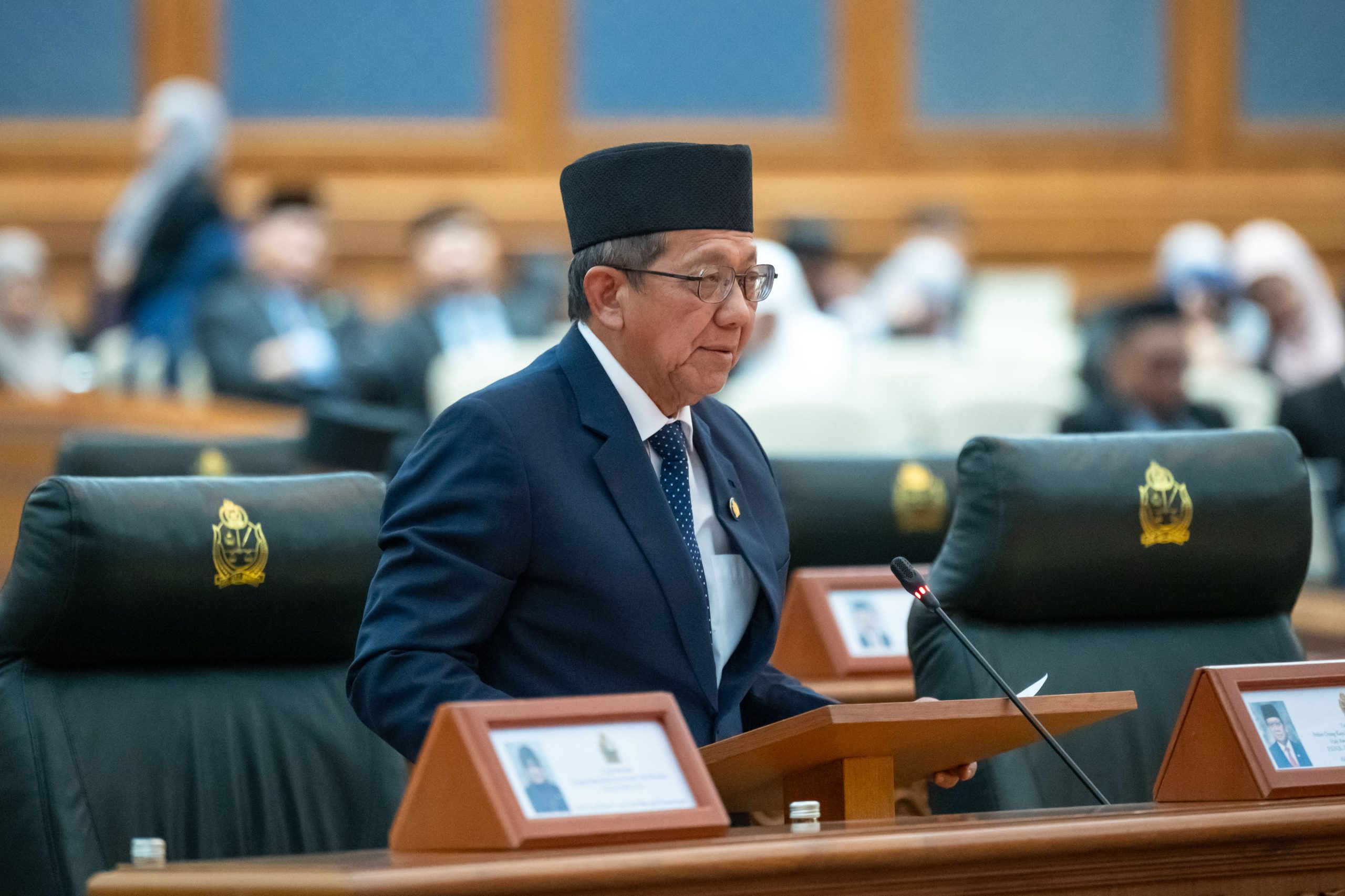
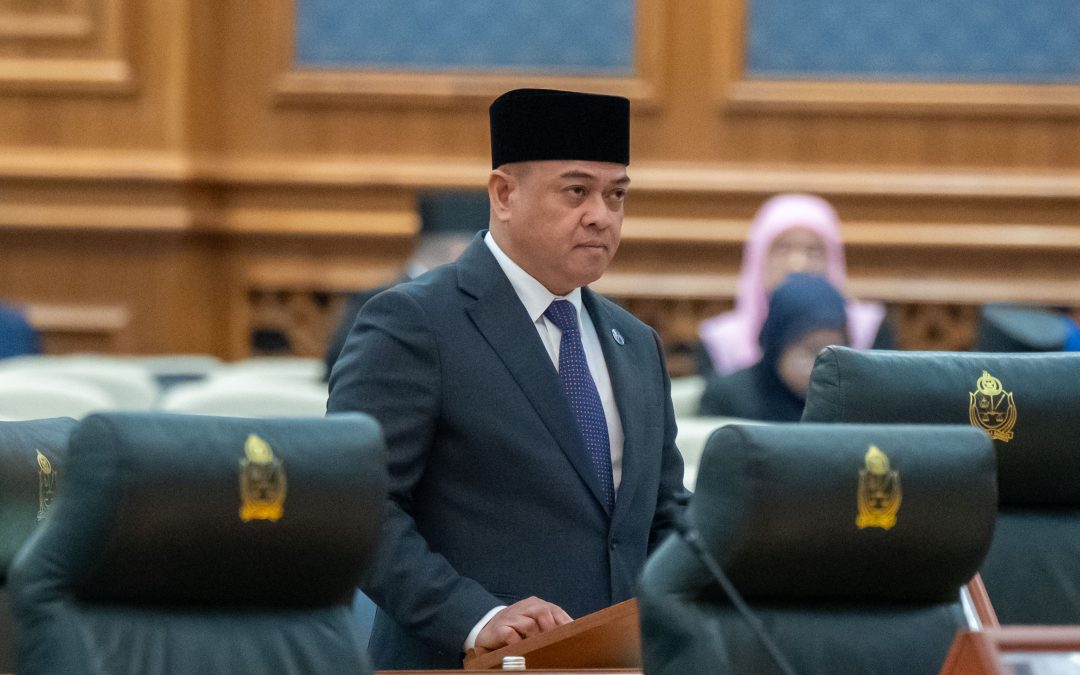
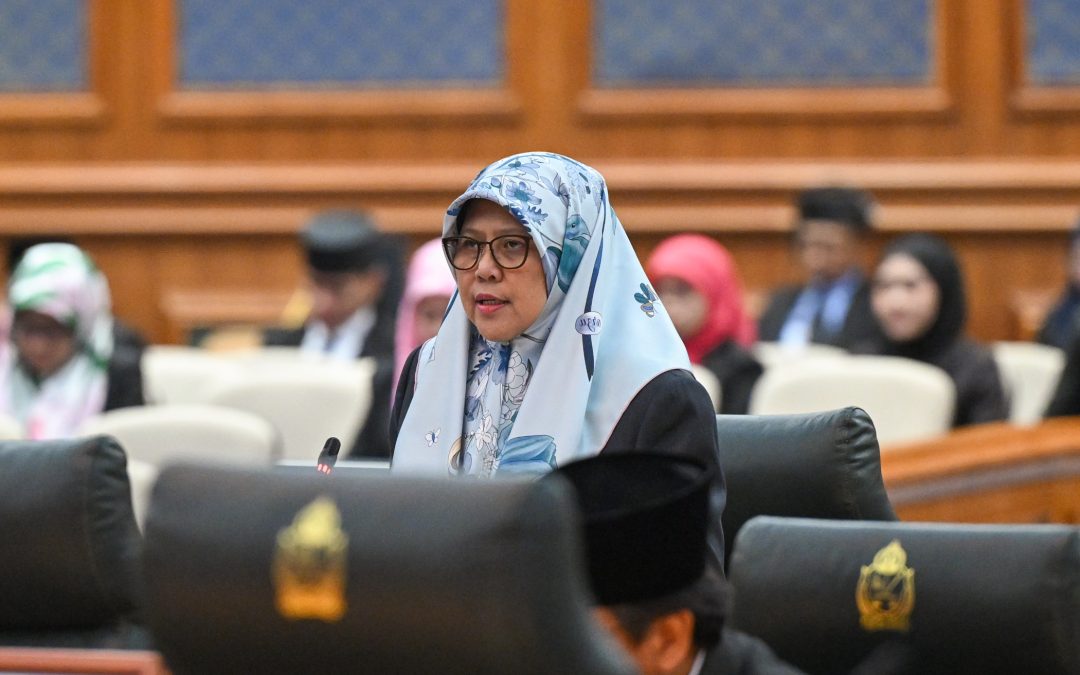
Legislative Council (LegCo) member Yang Berhormat Pehin Orang Kaya Indera Pahlawan Dato Seri Setia Awang Haji Suyoi bin Haji Osman expressing support for the motion on strengthening coordination towards achieving Brunei Vision 2035, described the establishment of three coordinating ministers as a strategic step that will enhance the implementation of national policies and development initiatives.
Speaking during the Second Meeting of the 22nd Session of the LegCo, he conveyed his appreciation to His Majesty Sultan Haji Hassanal Bolkiah Mu’izzaddin Waddaulah ibni Al-Marhum Sultan Haji Omar ‘Ali Saifuddien Sa’adul Khairi Waddien, Sultan and Yang Di-Pertuan of Brunei Darussalam, for establishing the coordinating ministers.
He said the move would reinforce the implementation of the various national blueprints discussed during last year’s LegCo session and ensure that the objectives of Brunei Vision 2035 are not only widely debated but effectively executed according to schedule and key performance indicators through close coordination among all stakeholders.
He noted that Brunei had previously faced challenges in aligning national strategies and policies, with ministries and agencies often working in silos, resulting in overlapping initiatives and inconsistent implementation.
He stressed that stronger coordination across government agencies is essential to eliminate duplication, foster collaboration and ensure all efforts are directed towards the nation’s long-term vision. Speaking about unemployment, he voiced strong support for His Majesty’s call for more effective measures to address the issue, noting that many jobseekers continue to face disappointment despite the growing number of graduates entering the labour market each year.
He said unemployment has become one of the main factors contributing to an increasing number of people seeking government assistance, while acknowledging that employment opportunities within the public sector remain limited. The private sector, he said, has significant potential to generate jobs but requires greater support to expand its capacity.
He emphasised the need to strengthen the private sector ecosystem by providing competitive employment opportunities, attractive salaries and long-term career prospects to encourage more locals to join private enterprises.
Describing the private sector as the “engine of growth”, Yang Berhormat Pehin Orang Kaya Indera Pahlawan Dato Seri Setia Awang Haji Suyoi called for policies and strategies that promote business growth through incentives, reduced bureaucratic procedures and a more business-friendly environment.
He highlighted the importance of simplifying processes for businesses, including company registration, licensing, employment passes, land use approvals and access to utilities, in line with international ease of doing business standards.
He also underscored the importance of attracting more foreign direct investment (FDI), saying effective coordination among relevant agencies is crucial to speed up investment approvals and improve investor confidence. He noted that FDI not only brings capital but also introduces new technologies, professional expertise and improved work ethics that would contribute to Brunei’s medium- and long-term development goals. While other ASEAN countries have benefited significantly from foreign investments, Brunei has yet to record comparable levels of FDI, he observed.
He suggested that government media plays a greater role in showcasing successful investment projects to demonstrate Brunei’s capabilities and strengthen the country’s investment image.
To attract more high-value investments, he stressed the need to develop a strong pool of local talent in strategic fields such as digital technology, artificial intelligence (AI), finance, engineering, green technology and renewable energy through close collaboration between the Ministry of Education, coordinating ministers, the Manpower Planning and Employment Council, and industry leaders.
He also described unemployment as partly a structural issue caused by the mismatch between graduates’ qualifications and industry needs, while acknowledging ongoing efforts by higher education institutions to work with industry to address skills gaps.
As an interim measure, he proposed that unemployed graduates be offered temporary placements in government agencies according to their expertise in areas such as information technology, AI, digital economy, education, agriculture, finance and healthcare. Such placements, he said, would help improve government service delivery while enhancing graduates’ skills, morale, confidence and readiness for permanent employment.
He emphasised that effective coordination must extend beyond the political level and be cascaded throughout all levels of the public service to ensure meaningful implementation.
(news source: Borneo Bulletin ; pic source: Info Foto, Jbt Penerangan)