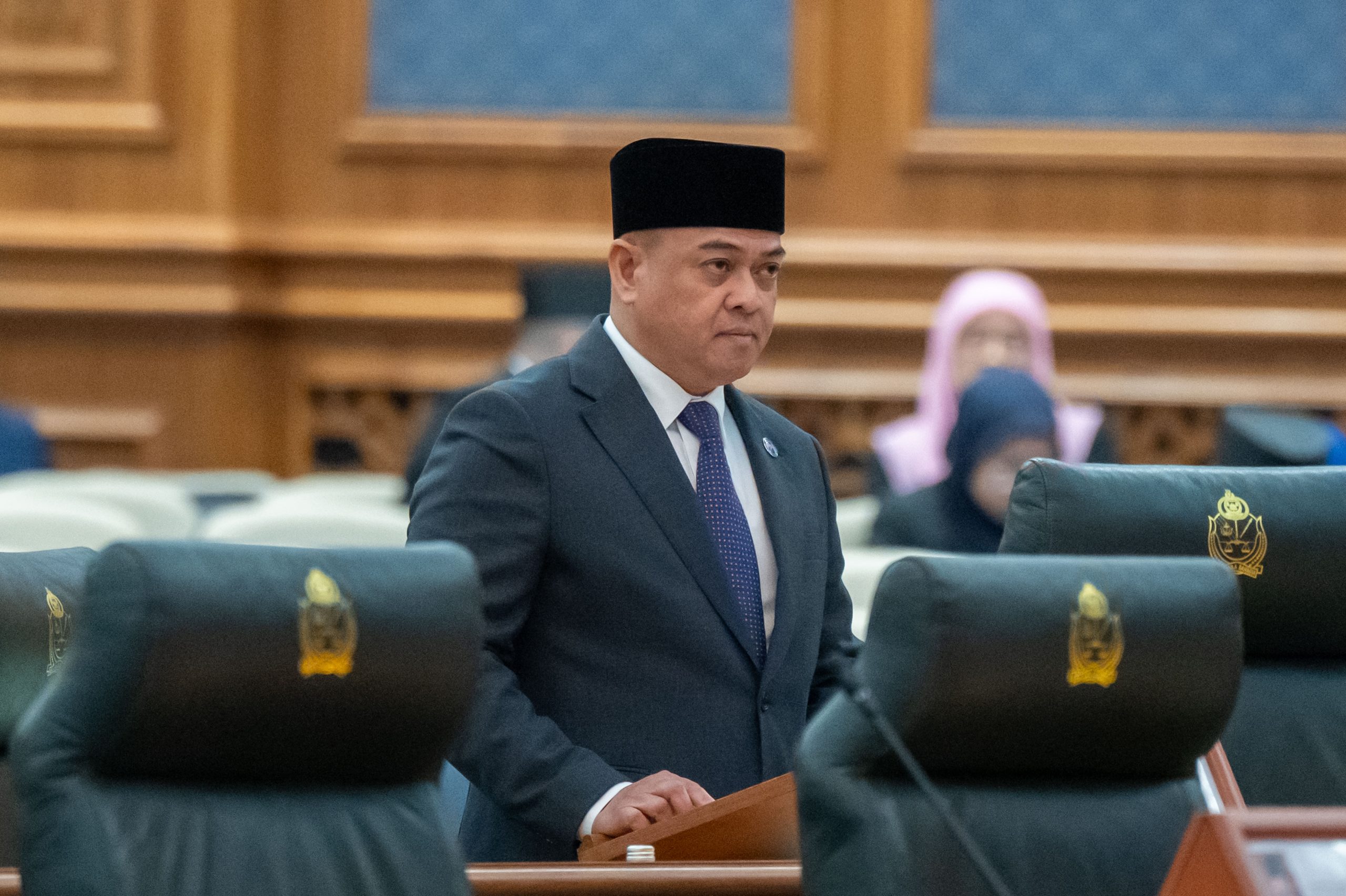
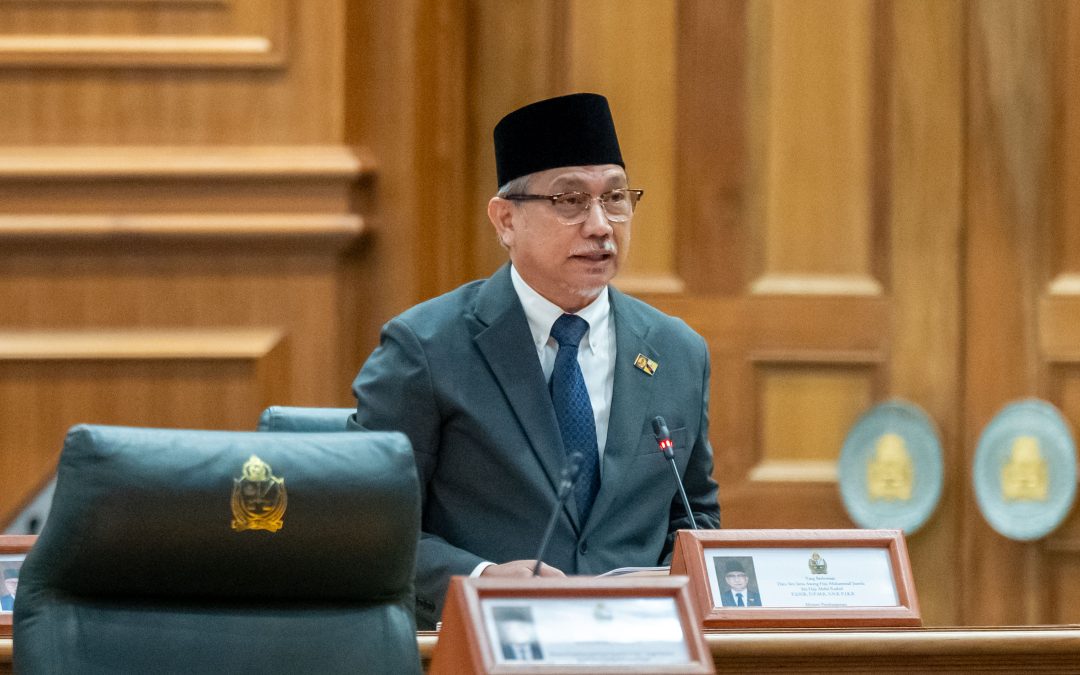
Minister at the Prime Minister’s Office (Energy, Upstream and Downstream) Yang Berhormat Dato Seri Setia Awang Haji Mohamad Azmi bin Haji Mohd Hanifah’s speech in support of the motion of coordinated efforts towards achieving Brunei Vision 2035 yesterday on the second day of the Second Meeting of the 22nd Legislative Council Session explained the role of the energy sector in strengthening energy security and supply reliability, particularly in supporting sustainable economic growth and national development.
Yang Berhormat Dato Seri Setia Awang Haji Mohamad Azmi explained, “The global energy landscape is undergoing rapid changes due to several factors, including geopolitical uncertainties, technological advancements, the transition towards low-carbon energy, and increasing domestic energy demand.
“Therefore, the development of the energy sector requires a Whole-of-Nation approach that brings together the expertise, resources, and commitment of all stakeholders to ensure that every policy and investment complements one another towards a common goal.”
He shared, “The Energy Department is continuously strengthening the short, medium and long-term strategic planning of the energy sector to ensure that development efforts are carried out in a more comprehensive and integrated manner, with a focus on implementation outcomes. The objective is to establish an energy sector that is resilient, competitive, and sustainable, serving as a catalyst towards achieving the aspirations of Brunei Vision 2035.”
He outlined, “The planning focuses on four strategic objectives, namely maintaining the resilience of the upstream oil and gas sector; strengthening the development of high-value downstream industries; ensuring the country’s electricity and fuel supply remain secure, sufficient, and reliable; and accelerating the development of low-carbon energy as a source of future economic growth.
“All the mentioned strategic objectives are aimed not only at meeting the needs of the energy sector, but also at supporting the national agenda in strengthening security, enhancing economic competitiveness, and creating new opportunities for the people.”
In line with the Whole-of-Government approach outlined by Coordinating Minister for National Security, Minister at the Prime Minister’s Office and Minister of Defence II, he said, “The government has established several cross-ministry and industry coordination platforms to strengthen strategic implementation. These include the Upstream Growth Steering Committee, which plays a role in accelerating the implementation of strategic enablers to stimulate exploration activities and the development of the upstream oil and gas sector; and the Energy Security and Efficiency Steering Committee, which coordinates the implementation of strategic initiatives and projects aimed at strengthening the country’s energy security, including the development of renewable energy, energy efficiency, and electricity supply infrastructure.”
He expressed, “Alhamdulillah, these platforms have enabled cross-agency issues to be addressed more quickly and in a more integrated manner, thereby strengthening policy coordination and the implementation of the country’s strategic projects. This approach will continue to be adopted by the department in strengthening the role of the energy sector in supporting coordination efforts towards the achievement of Brunei Vision 2035.”
He shared, “Energy supply security is among the key foundations supporting the objectives related to the policy coordination portfolios as presented, particularly in strengthening national security, economic growth, and the well-being of the people.”
“A secure, stable and sufficient energy supply ensures the continuity of essential services, supports economic activities, and enhances investor confidence,” he emphasised.
“In this regard, a proactive and forward-looking approach to strengthening the resilience of the energy sector ensures that the country remains prepared to face any geopolitical uncertainties, supply chain disruptions, or other external challenges.
“Among the measures being implemented is the updating of the Fuel Directive, including controls on the purchase of subsidised petroleum products. These measures aim to protect domestic needs and ensure that the country’s fuel resources are utilised wisely.”
He added, “The Energy Department also continues to monitor the country’s strategic fuel inventory by maintaining a minimum reserve stock of 14 days for Liquefied Petroleum Gas (LPG) and 21 days for petroleum products as a preparedness measure. The strategic reserves provide a buffer to meet the country’s needs in the event of unforeseen supply disruptions.
“The government has also established the National Committee to Address the Impacts of the Middle East Conflict and Current Developments as a Whole-of-Government coordination platform to assess geopolitical risks and coordinate proactive as well as integrated mitigation measures, including those related to energy supply, logistics chains, and critical services.”
In addition to strengthening preparedness, the Energy Department also continues to enhance the country’s capacity to manage and respond to any energy supply disruptions.
He highlighted, “The Energy Department has coordinated the implementation of the Business Continuity Plan across the entire energy sector value chain, including the assessment of critical facilities, providing standard operating procedures, and the conduct of tabletop and field exercises to test the preparedness levels of all relevant agencies.”
He also revealed that a Crisis Management Team has also been established to coordinate responses to any incidents within the energy sector and to strengthen collaboration between government agencies, industry stakeholders, and grassroots leaders, ensuring that decisions and actions can be implemented in an organised, effective, and inclusive manner.
(news source: Borneo Bulletin ; pic source: Info Foto, Jbt Penerangan)