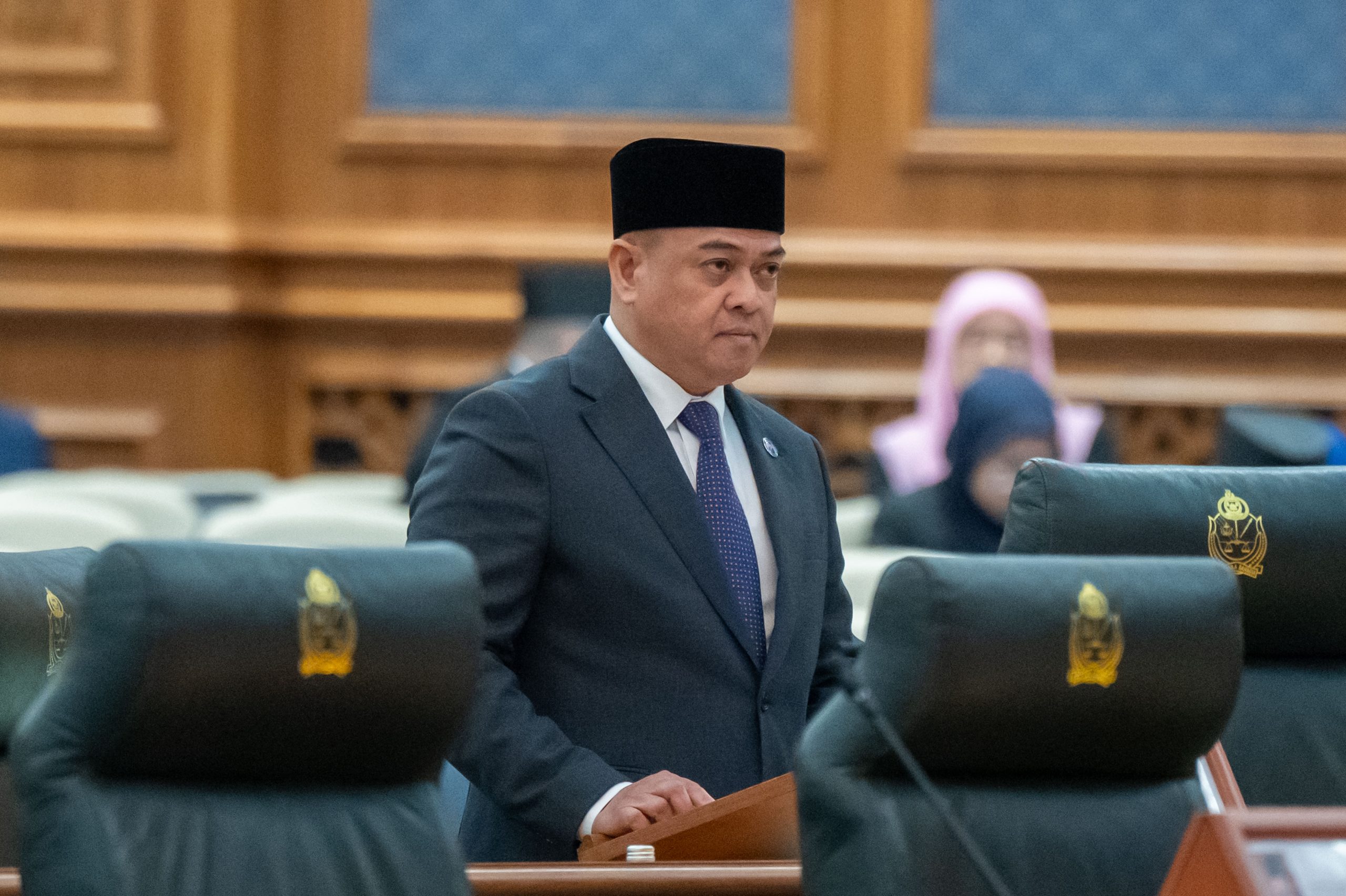
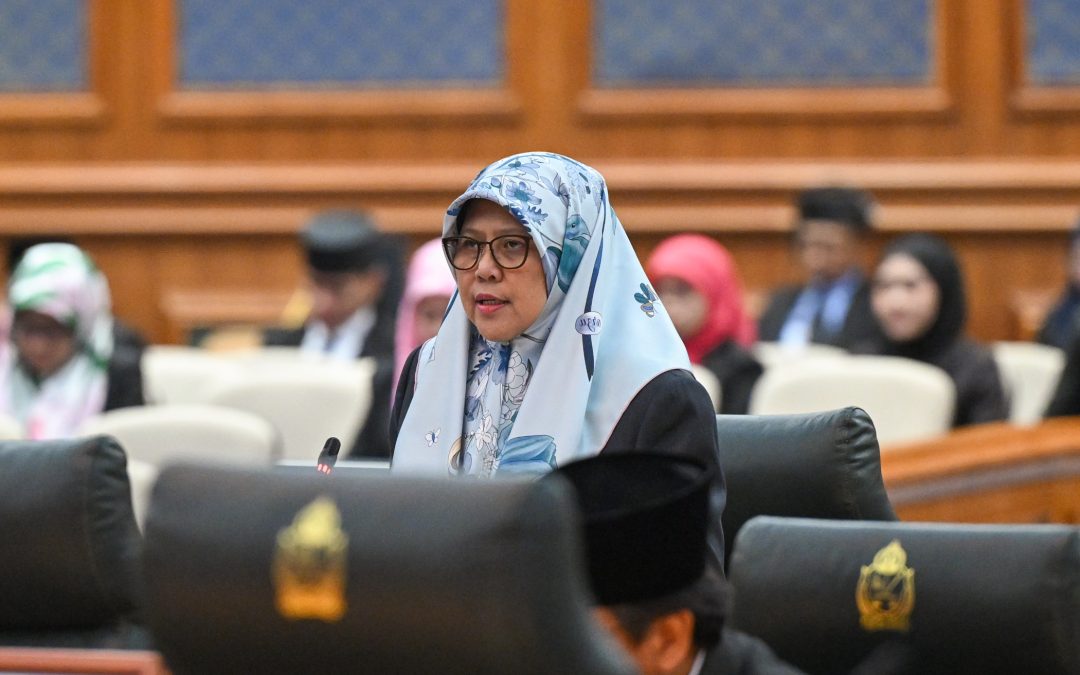
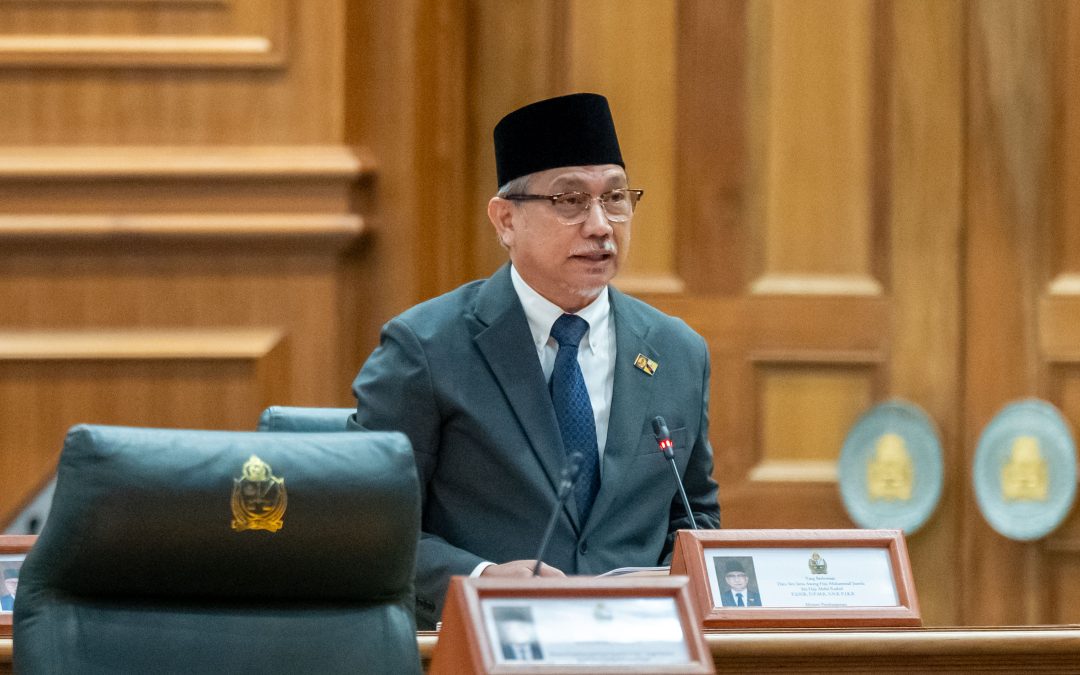
Minister at the Prime Minister’s Office (Energy, Upstream and Downstream) Yang Berhormat Dato Seri Setia Awang Haji Mohamad Azmi bin Haji Mohd Hanifah during the second day of the Second Meeting of the 22nd Legislative Council Session yesterday, said to ensure that electricity can be delivered efficiently and continuously, the upgrading of the electricity transmission and distribution systems are actively carried out.
The implementation of projects under the Twelfth National Development Plan (RKN12), including the connection of the national grid through the 66-kilovolt Perdayan Project will enhance the reliability of the country’s electricity supply, as measured through the System Average Interruption Duration Index, he said. The government is also placing emphasis on energy demand management, including through the proposed adjustments to the electricity tariff structure and rates for the commercial sector.
He said, “This matter was highlighted by the Ministers at the Prime Minister’s Office during the First Meeting of the 22nd Legislative Council Session earlier this year. The proposed implementation of a progressive tariff structure for the commercial sector in 2028 is a continuation of the electricity tariff rate adjustments for the residential sector, which were implemented in 2012. These adjustments will ensure a more sustainable and competitive tariff structure, while also encouraging the responsible use of energy. This will also support infrastructure upgrades to strengthen the reliability and security of the country’s electricity supply. All these efforts are being implemented to safeguard the country’s energy security as a foundation for daily life, the delivery of essential services, and economic growth.
Based on the strong foundation of energy security, he mentioned that the energy sector will continue to be developed as a catalyst for economic growth, industrial development, and the enhancement of the country’s competitiveness.
He revealed, “In the upstream sector, several strategic projects are being planned and implemented to support the continuity of the country’s oil and gas production. These include the development of offshore projects operated by Petronas Carigali Brunei Limited (PCBL) and EnQuest, which are expected to commence production in 2029.”
The development of the downstream oil and gas sector is among the priority sectors as highlighted by Coordinating Minister for Economic Policies and Minister of Economy, Trade and Industry.
He said, “These efforts will continue to be strengthened through Pulau Muara Besar as a crude oil refining and petrochemical hub, as well as the Sungai Liang Industrial Park (SPARK) for gas-based downstream industries. Currently, the Phase 2 Refinery and Petrochemical Plant Project is planned to commence construction in 2027. Phase 2 will further expand high-value downstream activities, thereby expanding the country’s downstream industry value chain.”
Moving forward, he explained, “In line with the changing regional energy landscape and aspirations towards low-carbon growth, the country is also exploring low-carbon downstream industries as a source of new growth.
“This exploration includes the implementation of joint studies with regional partners, such as the Economic Research Institute for ASEAN and East Asia. This area has the potential to attract quality investments, expand industrial value chains, and create business opportunities and high-skilled employment.”
By leveraging the existing strengths of the energy sector, he said, “Low-carbon downstream industries have the potential to become a new source of growth that supports economic diversification and the country’s long-term development.”
In line with changes in the industrial landscape, technological advancements, and the energy transition, he said, “The department will continue to ensure that the local workforce possesses skills aligned with the current and future needs of the energy sector. This effort is in line with the direction outlined by Coordinating Minister for Social Policies and Manpower and Minister of Home Affairs.”
Through the Manpower Industry Steering Committee (MISC) – Energy Working Group, he explained, “The government coordinates strategic workforce planning for the energy sector together with operating companies, contractor companies, educational institutions, and relevant agencies.
“This platform focuses on workforce requirement planning, competency development, and the alignment of training and curricula with industry needs. This includes the Skills and Capacity for Alternative Low-Carbon Energy Framework, which focuses on developing skills in the field of low-carbon energy.”
Through initiatives such as the Solar Internship Programme, he noted that local students have the opportunity to gain hands-on practical experience in the implementation of large-scale solar energy projects, thereby strengthening workforce readiness to support the future development of the energy sector.
“The Energy Department at the Prime Minister’s Office, together with the Brunei Darussalam National Petroleum Authority and the Brunei Darussalam Electricity Authority play important roles in ensuring compliance with safety standards and creating an energy sector environment that is well-regulated, competitive, and trusted by investors.
“Coordination is further strengthened through cross-sector steering committees to ensure strategic alignment between policy, regulatory, and implementation aspects,” he said.
“The department will continue to fulfill its responsibilities in strengthening energy security and supply reliability, supporting economic growth, developing human capital, and ensuring that the development of the energy sector continues to benefit the people and the nation.”
(news source: Borneo Bulletin ; pic source: Info Foto, Jbt Penerangan)