Public higher education and Technical & Vocational Education and Training (TVET) institutions will strengthen their curricula from this year, with digital and artificial intelligence (AI) literacy, automation and data analytics to be systematically integrated into existing programmes.
Core modules covering new and emerging technologies, skills and sustainability will also be strengthened to ensure graduates are better prepared for changing industry and employment requirements.
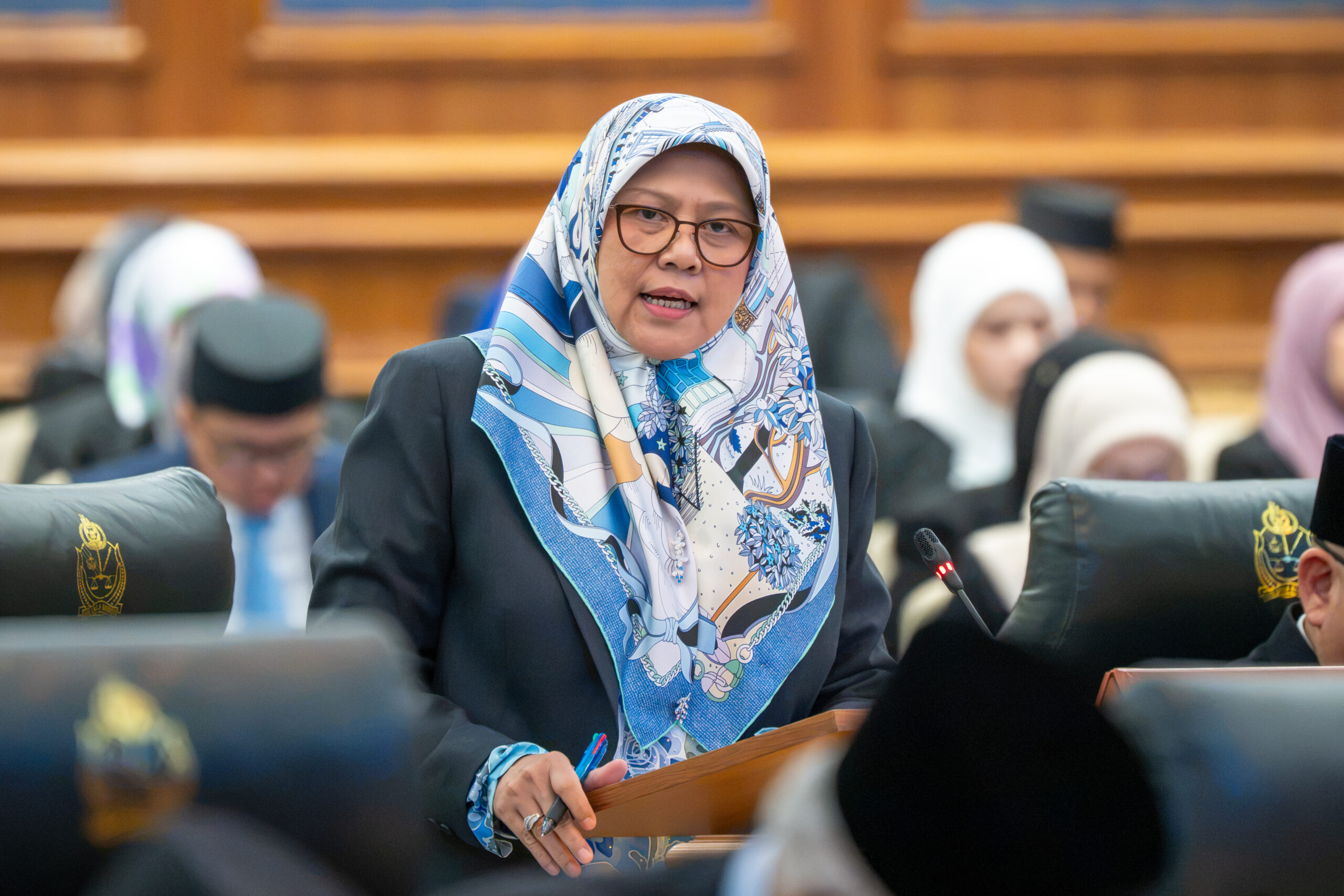
Minister of Education Yang Berhormat Datin Seri Setia Dr Hajah Romaizah binti Haji Md Salleh shared this during the Second Meeting of the 22nd Legislative Council (LegCo) Session.
The minister was responding to a question from LegCo member Yang Berhormat Awang Lau How Teck on how the Ministry of Education is ensuring higher education and TVET remain responsive to rapid developments in technology, automation and AI, and that graduates possess skills relevant to industry and the future economy.
The minister said rapid technological developments are changing the employment landscape and the competencies required by industry, prompting the ministry to focus on five key strategies.
The first involves keeping curricula relevant, with the integration of digital skills intended to ensure that every graduate, regardless of field of study, has a foundation in digital literacy and an understanding of technologies shaping future industries and employment. Curricula will also be regularly reviewed based on technological developments, employer feedback and input from industry advisory panels.
The ministry is working with the Manpower and Employment Office under the Ministry of Home Affairs, as well as the Manpower Industry Steering Committee to align education and training programmes with industry competency requirements and actual labour market demand.
Another major initiative beginning this year is the implementation of a Feature Analysis Model across all public higher education institutions. The model will assess programme performance based on demand, course completion rates, graduate employability, job relevance and median salaries.
Findings will be used to improve or restructure existing programmes and introduce new ones that better reflect industry requirements and national development needs.
The ministry will also expand project-based learning involving real-world problem-solving and collaborative industry projects to develop critical thinking, creativity and problem-solving skills. Industrial training and apprenticeships will be further strengthened through structured arrangements including mentoring by industry practitioners, joint research and professional certification.
The minister said exposure to real working environments is important in developing practical competencies, industry readiness and an understanding of employers’ expectations and productivity standards.
Technical capabilities alone, however, would not be sufficient in the AI era, she said.
Higher education and TVET institutions will also strengthen Malay Islamic Monarchy (MIB) values and soft skills including communication, leadership, teamwork, adaptability and ethical judgement. The approach aims to produce graduates who are not only proficient in using technology but also possess integrity, responsibility and resilience.
The ministry will continue using findings from the Graduate Employment Study and Employer Satisfaction Survey to assess graduate employability and employers’ satisfaction.
Yang Berhormat Datin Seri Setia Dr Hajah Romaizah said the ministry will continue ensuring higher education and TVET remain responsive to technological and industry developments while producing skilled graduates with strong character who are prepared to contribute to the future economy.
(news source: Borneo Bulletin ; pic source: Info Foto, Jbt Penerangan)